
An exercise habit started in March survives Sydney's summer far better than one you try to build in the middle of it. Summer here runs from December to February, with average highs near 26°C and January days that regularly climb past 35°C. If your routine depends only on willpower, the first properly hot week will end it. This guide sets out a sequence you can follow now: the time slot to claim, the free structures already running in the city, and the cooling options that keep movement possible once the heat sets in.
Why Sydney's heat breaks a new exercise habit
Sydney's summer runs from December to February. Average temperatures range from 18.6 to 25.8°C, and average humidity spikes to 65%. In the Sydney CBD, an average of 15 days a year have temperatures of more than 30°C, and 3 days a year pass 35°C. The highest recorded maximum temperature at Sydney Airport was 46.4°C, set on 18 January 2013. None of this means every day is extreme.
The pattern is simple, though. Comfort drops fast once December arrives, so a habit built around cool August mornings needs a backup plan for January. A routine that only works below 22°C is not really a routine yet. It is a preference that summer will test.
Pick a time slot that survives summer humidity
January is the hottest month, with average highs of 26°C and lows of 19°C, and heatwaves can push the mercury above 35°C when westerly winds from the desert interior reach the city. Early sessions, finished before about 8am, avoid both the worst heat and the strongest sun of the day. Daylight saving means Sydney mornings are already light well before 6am through summer, so an early start does not mean exercising in the dark. Evenings work too, once the sun is lower after about 6pm, but humidity can still make a hard session feel harder than the thermometer suggests.
Three ways to protect an early slot:
1. Set the alarm for the same time every day, weekday and weekend, for at least three weeks. 2. Lay out shoes and a water bottle the night before, so the decision is already made for you. 3. Treat 8am as a hard stop for anything strenuous outdoors between December and February, and move indoors or into water after that.
Use Sydney's free parkrun network to build consistency
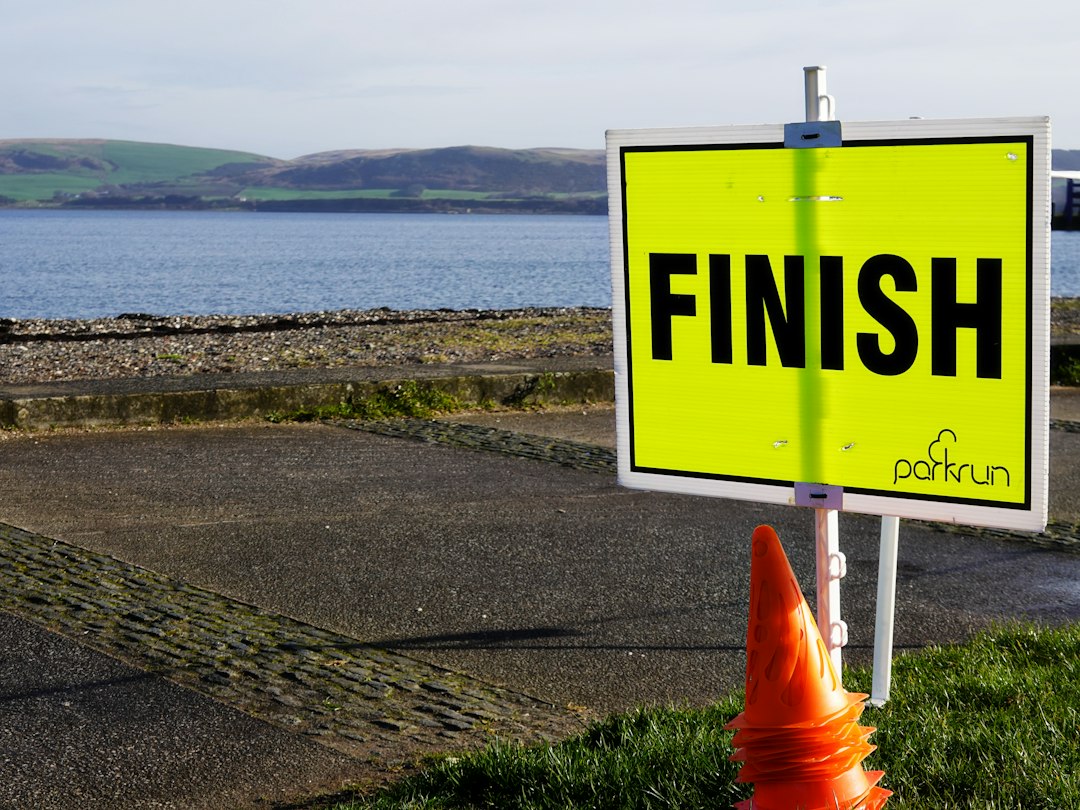
Centennial parkrun is a free, fun, and friendly weekly 5-kilometre community event, held every Saturday at 7am, at McKay Sports Ground in Centennial Park, Grand Drive. It welcomes walkers as much as runners, and nobody gets timed out. Sydney has more than 30 parkrun locations in total, all free, all run at 7am on Saturdays, with a single registration covering every one of them at parkrun.com.au.
By attendance, Centennial parkrun draws up to 700 runners from the Eastern Suburbs, St Peters parkrun draws more than 400 from the Inner West, and Curl Curl parkrun draws more than 300 on the Northern Beaches. Pick whichever is closest to home. A habit survives longer when travel time is short.
For the other six days, the 3.5-kilometre Grand Drive loop inside Centennial Park is flat, fully paved, and closed to cars on weekends. The Bondi to Coogee coastal walk is another free, 24-hour option, a 6-kilometre trail past Tamarama, Bronte and Clovelly beaches, best covered before 7am on weekends to avoid crowds.
Choose a cooling anchor: ocean pools and harbour baths
Andrew (Boy) Charlton Pool reopens on 1 September and stays open until 30 April, with daily hours of 6am to 8pm, trimmed to 7am to 7pm on public holidays. The main pool is a 50-metre heated saltwater lane pool, with a smaller 20-metre program pool heated to 28 degrees for anyone learning or recovering from injury. It sits at 1C Mrs Macquaries Road in The Domain, a short walk from Circular Quay. Entry for the 2026/27 season is $8 for adults, $6 concession, and $19.80 for a family of four.
A 20-visit pass pays off once the pool becomes a weekly habit rather than an occasional treat. Twenty visits cost $131.40, or $98.50 at the concession rate.
North Sydney Olympic Pool reopened after a $122 million redevelopment, and now has two indoor pools, a creche, a swim school and a full gym alongside its outdoor lanes. It opens Monday to Friday from 5:30am to 9:30pm, and 7am to 7pm on weekends. Casual entry is $11 for adults, $8.25 concession, and $31.70 for a family pass covering two adults and two children. The long weekday hours suit an early swim before work. The shorter weekend window suits a mid-morning session instead, so check which fits your actual week before buying a pass.
What to do first, and what can wait
Do these before summer fully arrives:
1. Fix one time slot, ideally finishing before 8am, and put it in the calendar as a repeating event for the next six weeks. 2. Register once at parkrun.com.au and go to the closest Saturday event, even if only to walk the course and learn the layout. 3. Scout one free weekday loop near home, such as the Grand Drive in Centennial Park or the Bondi to Coogee path, for the days parkrun is not running.
These can wait until the heat actually arrives, usually by mid-December:
1. Buying a pool pass. A single casual visit to Andrew (Boy) Charlton Pool or North Sydney Olympic Pool tells you whether the facility suits your week before you commit to a multi-visit pass. 2. Shifting to an evening routine. Mornings work for most of spring, and only need to change once genuine heat or humidity gets in the way.
The order matters more than the intensity. A modest routine that runs every week through December beats an ambitious one that stops at the first heatwave.