
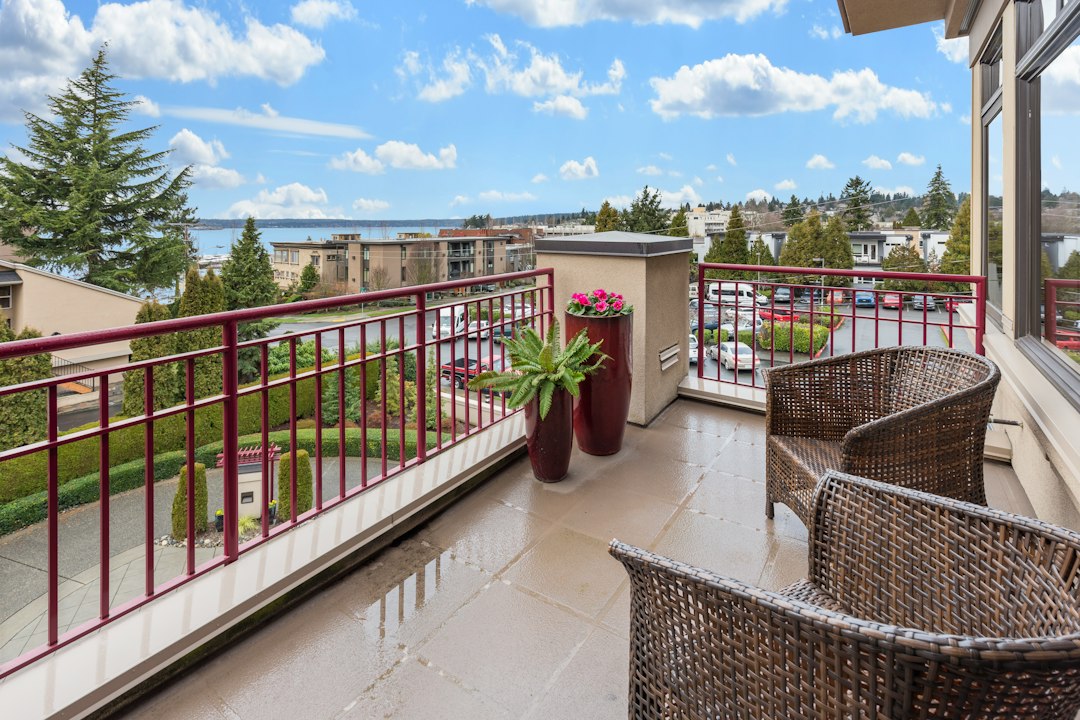
Will your balcony pots make it through another Sydney summer, or will you be replacing shrivelled herbs again by February? Balconies face harsher conditions than ground-level gardens once daytime heat builds: reflected warmth off concrete, drying wind and watering rules that catch people off guard. The fix is not more watering. It is choosing the right plants, pots and timing before the first heatwave lands, not during it. Here is what actually works on an exposed Sydney balcony.
Why Sydney balconies heat up faster than garden beds
Sydney is heading into a warmer season than usual. The Bureau of Meteorology declared El Nino underway on 16 June 2026. Warmer than average conditions are strongly favoured across most of Australia in the Bureau of Meteorology's current long-range outlook. That pattern has already produced sharp spikes: in January 2026, the Bureau of Meteorology issued a severe heatwave warning for Sydney, with temperatures expected to reach 39°C.
A balcony makes that heat worse before it reaches the plants. The concrete bounces heat back at your plants, while strong gusts dry out soil in hours. Combine reflected heat with wind off a high floor and a pot can lose moisture far faster than a bed in the ground. That is why plant choice and pot setup matter more on a balcony than almost anywhere else in a Sydney garden.
Choosing plants built for Sydney's heat and salt
Start with species that already cope with sun, drought and, near the coast, salt spray. For a sunny, north-facing spot, growers point to the frangipani, which loves full sun, is drought-tolerant once established, and thrives on neglect. Lomandra 'Tanika' is another reliable option: it tolerates full sun to part shade, drought, frost, and even coastal conditions, and is also pest-resistant.
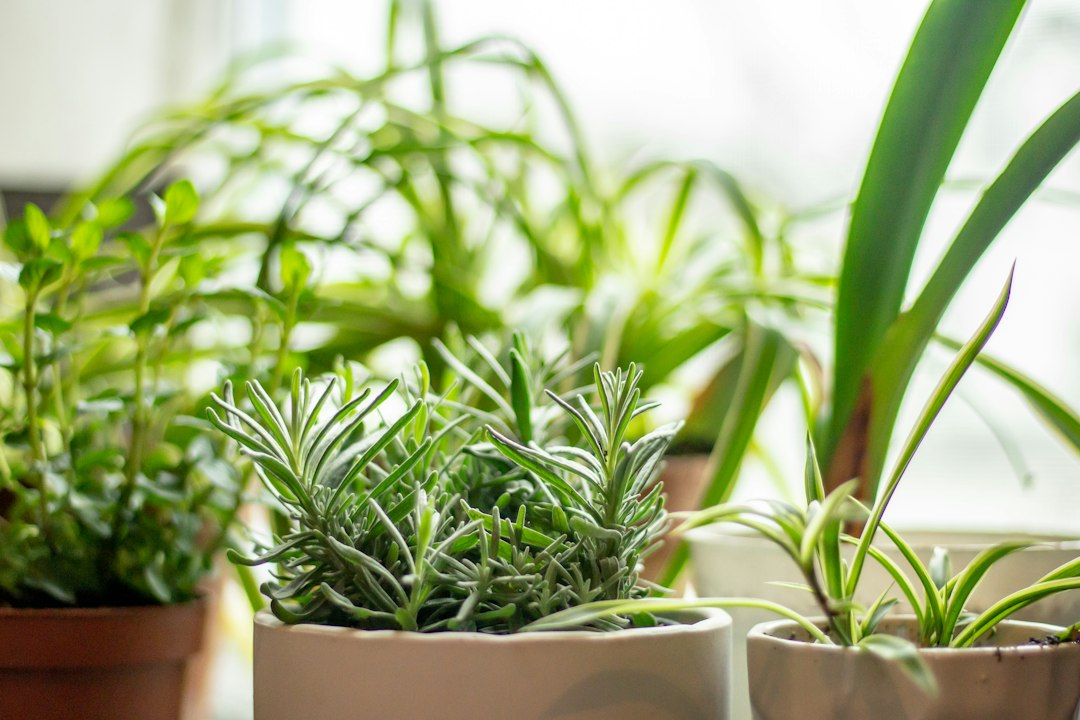
Herbs earn their spot too. Rosemary, thyme and oregano are sun-loving, drought-tolerant, and give fresh flavours right at your fingertips. For flowering colour that holds up in heat and humidity, hibiscus flourishes in Sydney's heat and humidity and handles the sun and heat with ease, while agapanthus tolerates poor soil, drought, and salt spray, making it suitable for coastal balconies.
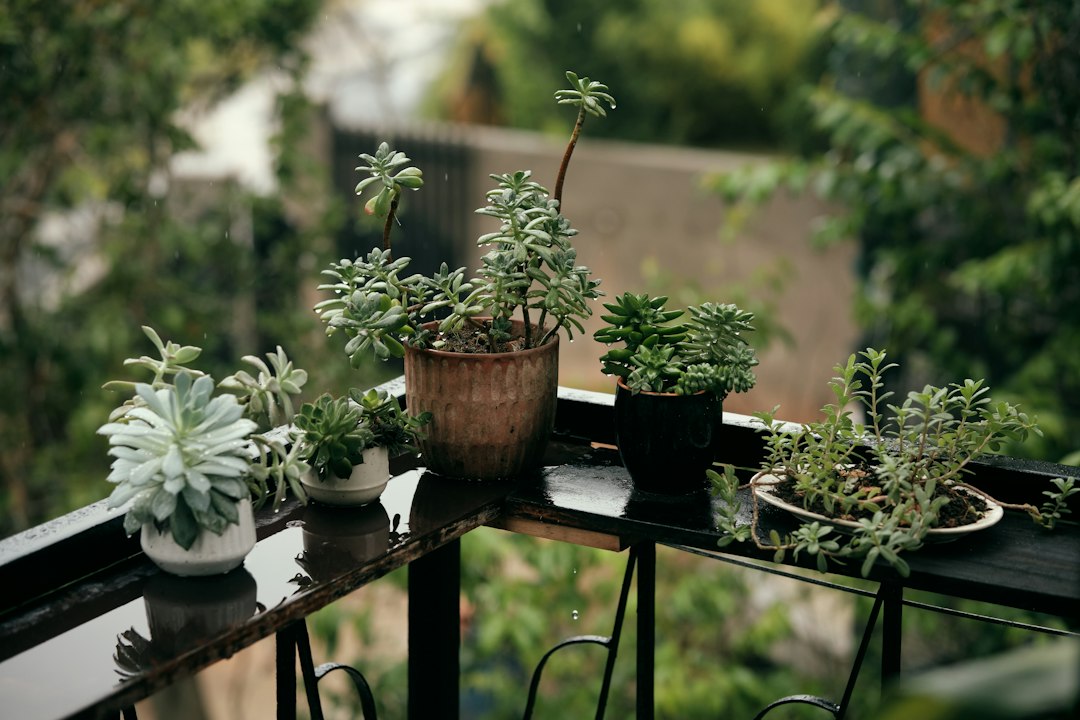
If your balcony faces the coast and catches salt-laden wind, prioritise salt-tolerant natives such as Correa alba and Westringia. For the lowest-effort option in a hot pot, succulents hold their own advantage: their succulents like jade plants, aloe, and echeveria store water in their leaves, which buys you a buffer when a weekend watering slips.
Setting up pots, soil and water before the heat arrives
Position matters before species does. Aim to give balcony plants six hours of sunlight a day, and if your balcony does not face the sun directly, shift to shade-tolerant species instead of fighting the light. In windy, high-rise conditions, create shelter with windscreens, or select plants that cope well in high winds.
Soil setup is just as important as plant choice. A layer of mulch helps retain moisture through hot stretches and cuts how often you need to top up water. For vegetables on an exposed, windy balcony, growers recommend sticking to compact, wind-tolerant crops like cherry tomatoes, chillies, and rocket in self-watering troughs. A self-watering reservoir buys several extra days of buffer during a heatwave, which matters if you are away from the apartment on a 39-degree Saturday.
Group pots together rather than spacing them out. Clustered pots shade each other's soil and slow evaporation, a small trick that costs nothing and takes a few minutes to arrange.
What Sydneysiders get wrong about watering rules
A common misunderstanding is that Sydney is currently under formal water restrictions. It is not. Elevated water restrictions are not currently in place, but everyone must still follow Sydney Water's mandatory rules of water use every day, year round. Those everyday rules, called the Water Wise Guidelines, still shape when you can use a hose on a balcony garden.
Using drinking water for watering gardens is permitted before 10am and after 4pm, using a hand-held hose with a trigger nozzle, a sprinkler or a watering system. Smart watering systems or drip irrigation systems may be used between 10am and 4pm, and water run-off or overspray onto hard surfaces like pathways is not permitted. If you have just planted new pots, you can use drinking water at any time for 28 days after your garden is planted.
The other misconception is that a watering can is as restricted as a hose. It is not, even under stricter rules elsewhere in the state: Sydney Water's Water Wise Guidelines only regulate automated sprinklers, fixed irrigation and hose-based watering, while hand watering from a can or bucket is permitted at any time, even during formally declared restrictions in regional NSW. On a balcony, that means a watering can at midday during a heatwave is always fine, even though a hose at that hour is not.
What this means in practice
Set your balcony up now, not in the middle of the first heatwave warning. Four moves cover most of the risk:
1. Pick plants rated for full sun and drought, such as lomandra, agapanthus, hibiscus or coastal natives like westringia. 2. Position pots for roughly six hours of sun, add windscreens on exposed floors, and mulch every pot. 3. Install a self-watering trough or reservoir for anything you cannot check daily, especially edibles. 4. Water before 10am or after 4pm with a hose, and keep a watering can on hand for midday top-ups, which the rules always allow.
None of this demands a large budget or a weekend of labour. It demands doing the setup before the first 39-degree Saturday, not after the pots have already gone brown.