
Buying a running shoe because it looks fast, or because a friend swears by the brand, is the quickest way to end 10k training with sore shins. The right shoe depends on how your foot strikes the ground, how many kilometres you run each week, and how many weeks remain before race day. Sydney runners training for events such as the Sydney 10 at Sydney Olympic Park have specific, bookable ways to get this decision right. This guide walks through gait checks, mileage limits and race-week timing, using real options rather than generic marketing claims.
What a gait check at the Running Company actually shows
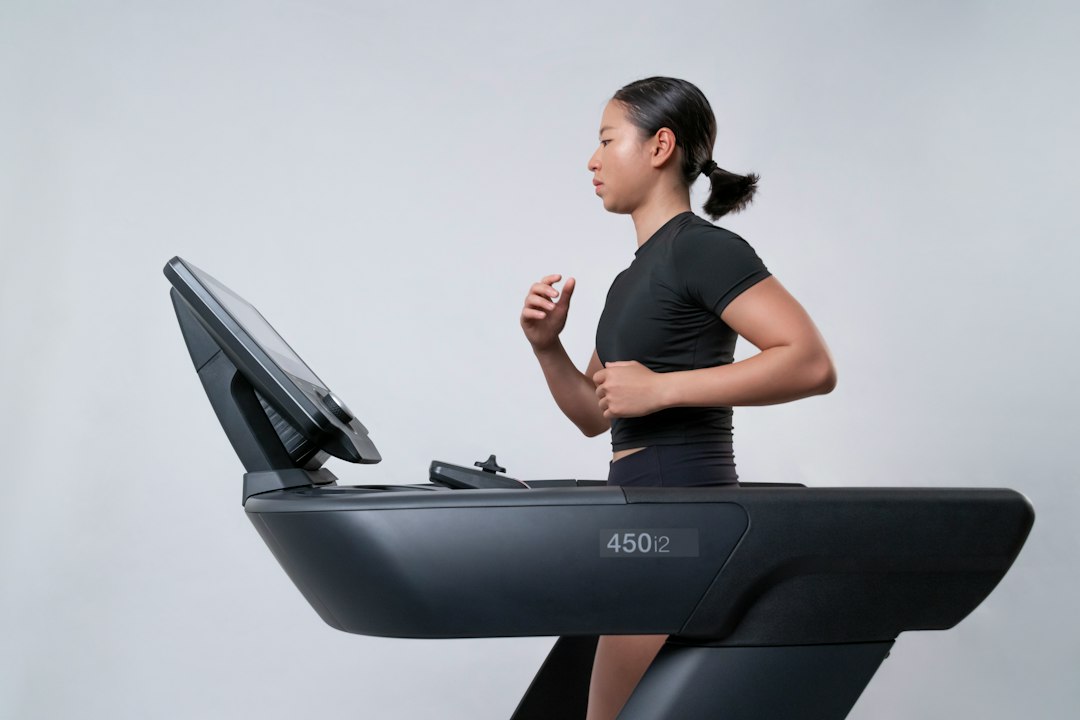
The Running Company offers this digital gait analysis completely free in-store, and the chain is located Australia wide and growing. You run on a treadmill while a customer is filmed from behind, then the recording is played back frame by frame to identify movements not visible to the human eye in real time. A typical appointment takes about 30 minutes.
Staff do more than watch you run. They also examine patterns of wear on your old running shoes, since a worn heel can suggest a heel strike, where the heel of the foot lands first instead of a larger surface absorbing the shock. The whole process exists to help determine your gait type: neutral, pronation or supination. A neutral pattern means the outside of your heel hits the ground first, and your foot rolls inward slightly before pushing off evenly. Knowing which category you fall into is more useful than any shoe review you will read online.
Match your running shoe to weekly kilometres, not the marketing
Shoe shopping should start with your training log, not the shelf display. The standard advice is to replace your runners after 500 to 800 kilometres. That range exists because the midsole foam compresses with use and stops protecting your joints the way it did out of the box.
Runners who alternate their running shoes also carry a lower risk of injury than runners who stick to the same pair, based on a 22-week study. Carbon-plated race shoes behave differently again. Large reductions in running economy were reported at 240 kilometres, with the drop becoming statistically significant at 320 kilometres. The practical advice from that research is to keep race-day shoes fresh, under 240 kilometres, and rotate a couple of other pairs during regular training.
Build the fitting around the Sydney 10 calendar
A concrete deadline forces better decisions than a vague intention to buy new shoes eventually. The Sydney 10 at Sydney Olympic Park bills itself as one of the flattest, fastest 10km events in the country. NSW Athletics confirms the 10km course is AIMS certified, with entry priced at $45.
The event runs starting waves grouped by expected finish time, from elite and sub-40-minute runners through to the 40-to-50-minute and 50-minutes-plus groups. Work backwards from race morning. Buy a new training shoe six to eight weeks out, so the midsole has time to settle and you can test it over several long runs before trusting it on the day.
Is a free gait check enough, or do you need a podiatrist?
A fair objection is that a free fitting in a shop is really a sales pitch dressed up as science. ModPod Podiatry, which runs clinics across Sydney, makes close to that exact point. Some stores film you for two minutes on a treadmill and sell you a shoe.
Even ModPod's own podiatrists do not dismiss the store option outright. The best running gait analysis depends on your goal, and if you only need shoes, a specialty store can be enough. The trade-off becomes real once injury enters the picture. ModPod runs five Sydney clinics, making it easier to book a clinical assessment near your home or office if a niggling pain, rather than a straightforward shoe purchase, is what sent you looking in the first place. Running shoes typically cost $150 to $250 regardless of which route you take, so the price difference between the two paths is not the deciding factor. The deciding factor is whether you are healthy or managing a problem.
Retire old running shoes before race week, not after
Mileage is easier to track with an app than with memory. Apps such as Strava and Garmin Connect let you assign a pair of shoes to your runs and keep a running total automatically.
Watch for visible signs as well. Look for the bottom or sides looking visibly beaten up, treads that are worn out, or a midsole that is wrinkling. Any one of these is reason enough to retire a pair, even if your tracked distance still looks low. Non-running use also adds kilometres you do not count: walking, running errands or standing all day in your running shoes compresses the foam with no training benefit. Plan your last long run in new shoes at least two weeks before the Sydney 10, not the morning of the race itself.
Treat the running shoe as a scheduled decision rather than a last-minute purchase, and the whole build-up to a 10k gets calmer. Book a gait check six to eight weeks out, choose a shoe that matches your actual weekly distance, and track that mileage until race week arrives. None of this adds extra time to normal training. It only asks you to make the shoe decision early, with evidence, instead of leaving it to whatever is on display the morning you arrive at Sydney Olympic Park.