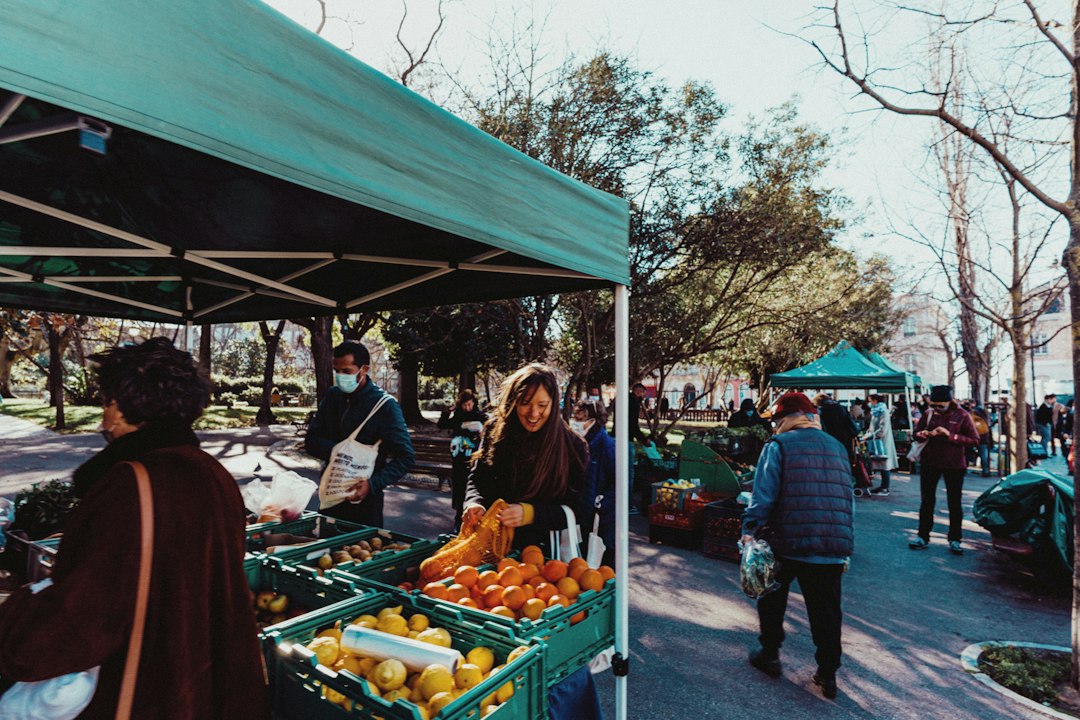
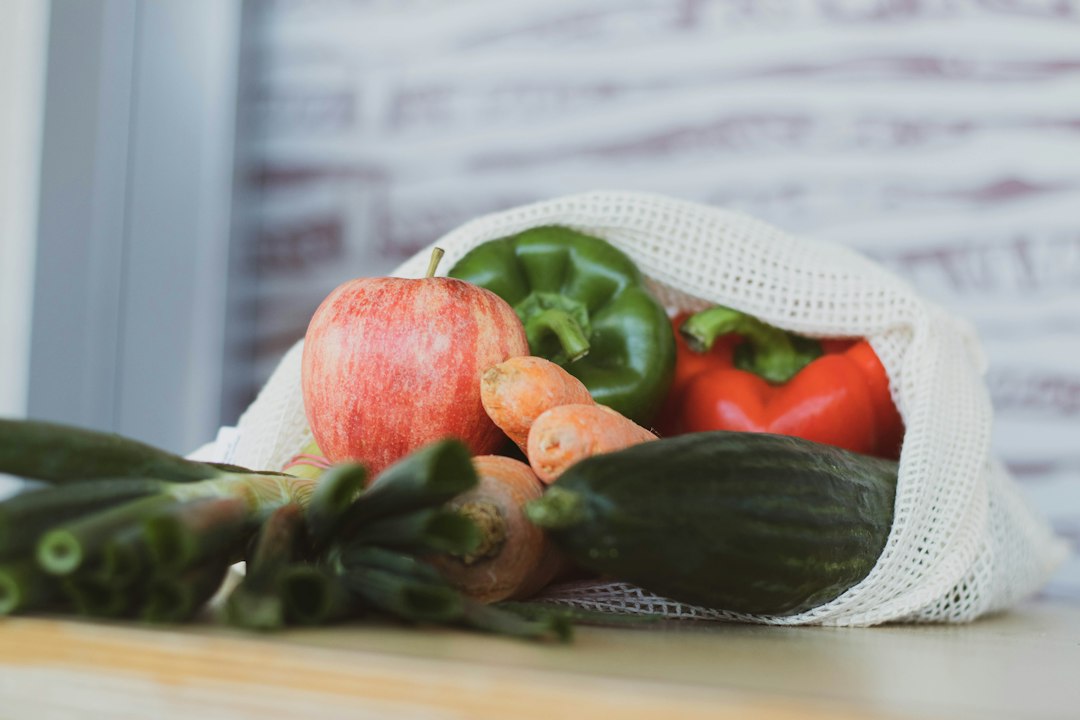
Saturday morning at Carriageworks Farmers Market in Eveleigh, a regular shopper lines her trolley with mesh bags before the capsicum and stone fruit stalls fill with queues. She swapped her last roll of thin plastic produce bags for reusable ones two summers ago, once Sydney's heat made loose tomatoes sweat inside damp plastic. That one change now shapes her whole weekly shop, from the cheese stall to the flower bucket near the exit.
What is driving the swap at Sydney's produce stalls
NSW banned lightweight plastic shopping bags under the Plastic Reduction and Circular Economy Act 2021. Lightweight plastic shopping bags will be banned in NSW from 1 June 2022, covering handles 35 microns or less in thickness. The rule never touched the produce bags that hold loose tomatoes, apples or green beans.
Industry guidance confirms the gap directly. Reusable produce bags made from plastic fabric, such as polyester or nylon, along with bags for loose baked goods, sit outside the design standard altogether. The exemption also covers handle-free barrier bags, the kind still stacked on rolls above most fruit bins.
At Carriageworks Farmers Market in Eveleigh, that exemption plays out every week. The market runs as a chef-curated farmers market every Saturday 8am-1pm at Carriageworks, Redfern NSW, and draws 70+ stalls with organic produce, artisan foods & fresh flowers. Thin plastic is legal there, but many stallholders and shoppers now carry their own mesh or cloth bags anyway, especially once summer humidity sets in.
Who feels the change: shoppers, stallholders and retailers
The swap touches more than one group. Retailers selling fruit and vegetables received direct guidance once the 2022 ban began. First, consider if you need to offer a bag with every sale and whether you can introduce reusable bags for sale.
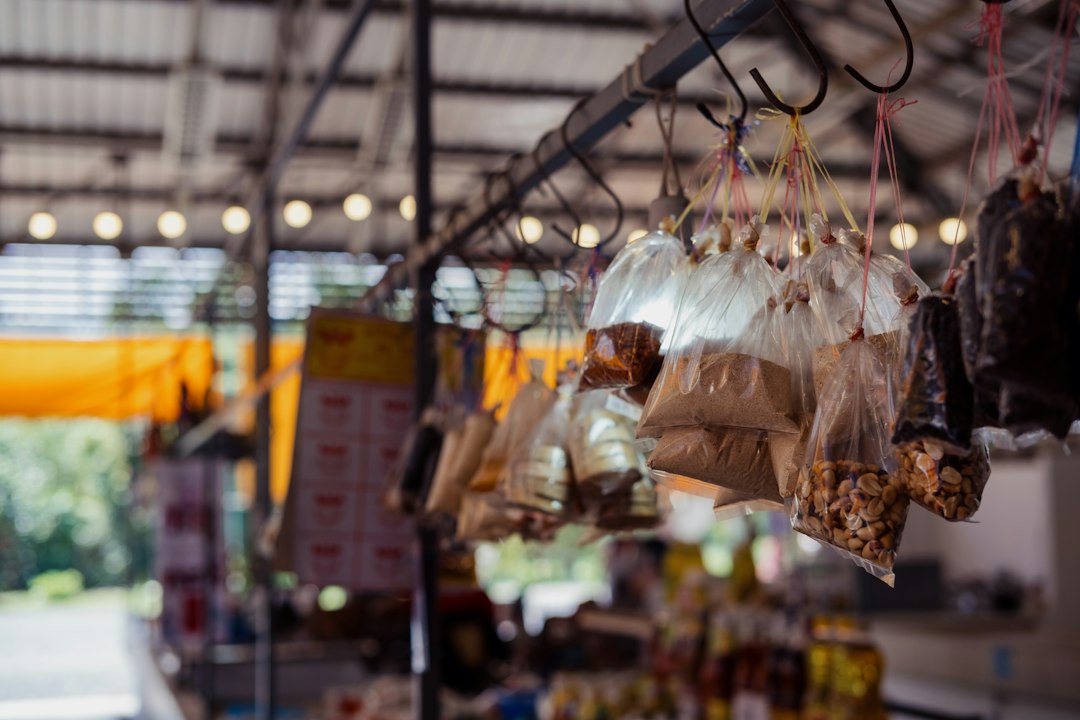
Market stallholders answered in their own way. At Eveleigh, shoppers can pick up gorgeous flowers, funky reusable bags and things like native spices from stalls that sell bags alongside food, turning a single visit into a full swap.
Families doing a complete weekly shop feel it most. A proper trip through Carriageworks can run $50–$100 if doing a proper weekly shop here, and visitors are told to budget at least an hour and bring a cooler bag. Reusable produce bags suit that kind of bulk, planned shop far better than a rushed lunchtime stop.
What the litter figures show about plastic bags in NSW
The numbers explain why habits shift even where the law stays silent. The NSW EPA states that the 2022 bans will prevent nearly 2.7 billion plastic items from entering the state's coastal, marine and bushland environments over the next 20 years. Even so, single-use plastic items and packaging make up 74% of all litter in NSW waterways, a figure the EPA tracks through its ongoing litter survey.
Litter density tied to banned items has fallen steadily since the ban started. The litter density of banned lightweight plastic shopping bags, plastic plates and cutlery, plastic straws and foam takeaway packaging has declined since the bans, representing 15% of all litter density in 2018–19, 9% of litter in 2022–23 just following the bans, and 5% of litter now in 2024–25. Produce bags sit outside that count entirely, because the design standard never classed them as banned items in the first place.
For Sydney shoppers who want options beyond the market stalls, a look through independent shops in Sydney turns up canvas, string and mesh bags built for repeated use through the warmer months.
What comes next for produce bags under the state's plastics plan
NSW has not finished with plastic policy. The NSW Government will introduce legislation and make regulations in 2026 to implement the actions in the NSW Plastics Plan 2.0. One target sits close to produce bags without touching the bags themselves: the small plastic tags used to seal bread and pantry bags.
The plan sets a temporary carve-out for the produce aisle. It lists plastic tags used to seal bags containing bread, bakery, and dry pantry items (with a temporary exemption for bags containing fresh produce to September 2029) among items due for phase-out. The plan's timeline separately names a step to commence regulations phasing out plastic tags used to seal bags containing fresh produce (temporary exemption expires) as a 2029 action.
Until then, the produce bag itself stays legal, the tag on it gets a few more years, and the next real test of the policy lands when that 2029 date arrives.