
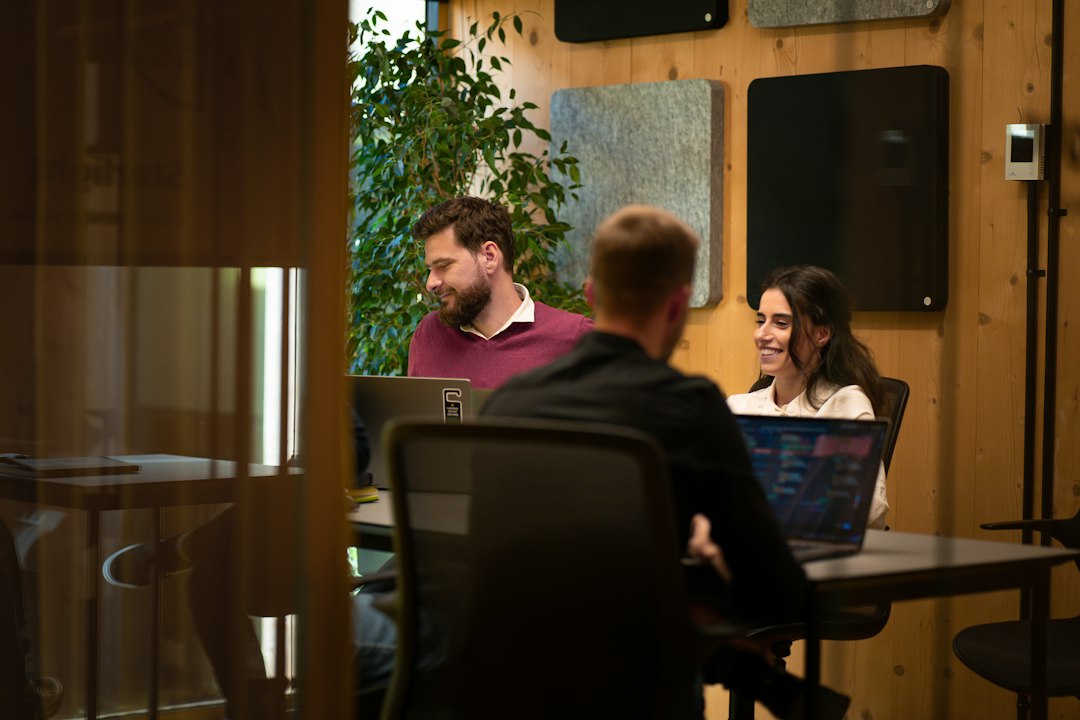
A side project rarely dies from a bad idea. It dies from a missing date, an afternoon that never arrives because nothing forces it to happen. Sydney has enough structure around it, in libraries, meetup groups and shared workspaces, to give an unfinished idea a real end point this month. The steps below use places you can book or join within the next few days, not general encouragement to try harder.
Set a deadline you cannot quietly move
A deadline you set alone is easy to shift. Most side projects slow down because the only person checking progress is the person who started it, and that person always forgives themselves. The Indie Hackers Sydney meetup, run through indiesydney.com, removes that loophole by building a monthly check-in into its structure. The two-hour session follows a set pattern: members introduce themselves and their current project, report on updates from the past month, and state what they intend to achieve before the next session. Turning up once with nothing to report is uncomfortable enough that most people find something to finish before the next meeting.
This works because the group exists specifically for people building things in their own time. It connects entrepreneurs, developers, non-technical makers, side-hustlers and bootstrappers in Sydney, and welcomes anyone wanting to share or receive feedback on their ideas. Attending once, even with a half-built project, creates the first external date your work has ever had.
Borrow the tools so the due date is already fixed
Buying equipment removes the one deadline a tool naturally gives you, since nothing is returned. Sydney's library network lends machines instead, and the loan period itself becomes the finish line. City of Sydney library members can borrow one kit from the makerspace collection for three weeks. The collection includes more than 180 robotic and educational kits available to borrow for free. A pottery wheel, a robotics kit or a sewing machine with a return date does more for a stalled project than another open-ended purchase.
For larger equipment, Darling Square Library in Haymarket runs a free walk-in option. This hub for learning, innovation and creativity spans two floors of The Exchange, with a dedicated makerspace alongside areas to read, work and study. The makerspace includes a 3D printer, laser cutter, robotics and more. Opening hours and booking rules for library equipment change from season to season, so it is worth checking the current timetable before turning up with a project that depends on a specific machine being free.
Work where someone else can see the project
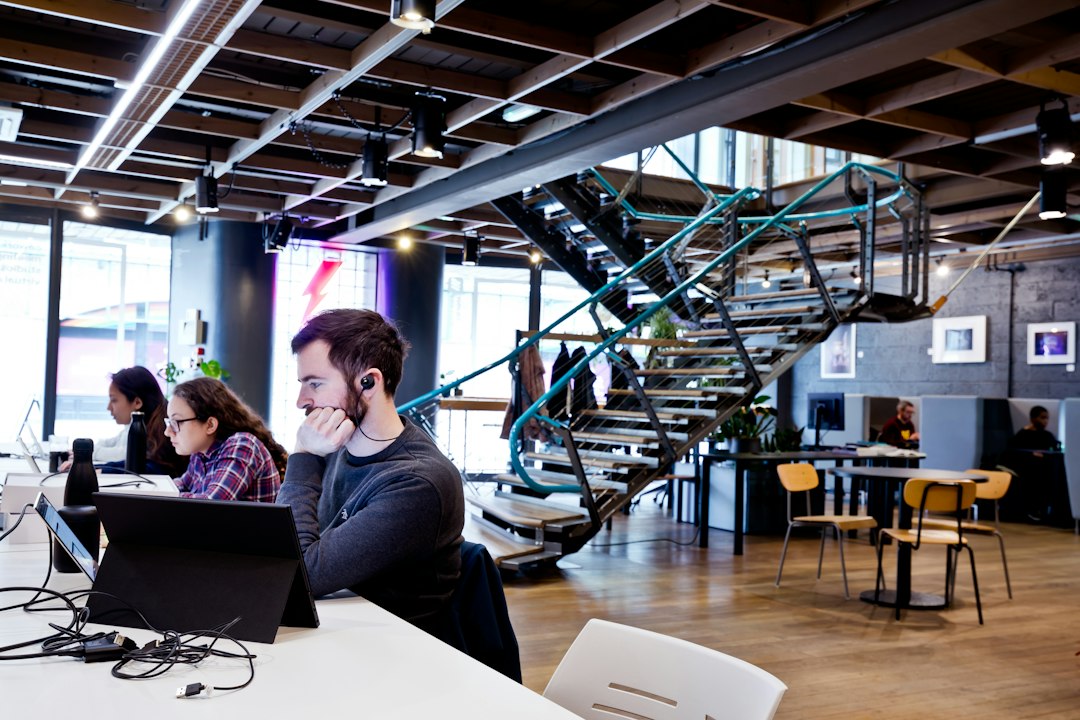
Working next to other people solves a different problem: isolation hides how far a project has actually come. The Commons, with locations across the Sydney CBD, gives paying members access to tools most home offices do not have. Facilities include an outside basketball court, a photography studio, a podcast studio, a maker space, a library, and plenty of private meeting rooms and booths. That range suits a side project that needs recording equipment or a quiet room for a client call, not just a desk.
A free alternative exists for people who want company without a membership fee. Robots & Dinosaurs is a community-run makerspace in Meadowbank where makers, artists and tinkerers share tools, socialise and build projects together. The trade-off is straightforward: paid spaces offer more equipment and structure, community spaces offer lower cost and a slower pace, and either beats an empty kitchen table on a Tuesday night.
The case for working alone, and where it breaks down
The strongest objection to all of this is reasonable: some people genuinely finish more when nobody else is around, and shared spaces cost money that a side project has not earned yet. That objection has a real limit, though, visible in Sydney's own coworking history. Fishburners, once a mainstay for tech start-ups across Sydney, is now permanently closed. A membership or a community you rely on for accountability can disappear, which means the deadline itself should never depend entirely on a building staying open.
The fix is not to abandon solitude, it is to add one small public commitment on top of it. Telling a single named person your finish date, posting it in a Sydney meetup group's monthly thread, or booking one library session with a fixed return date gives the same pressure without the ongoing cost. Working alone and having an outside witness to the deadline are not opposites.
Make the finish line visible before the final push
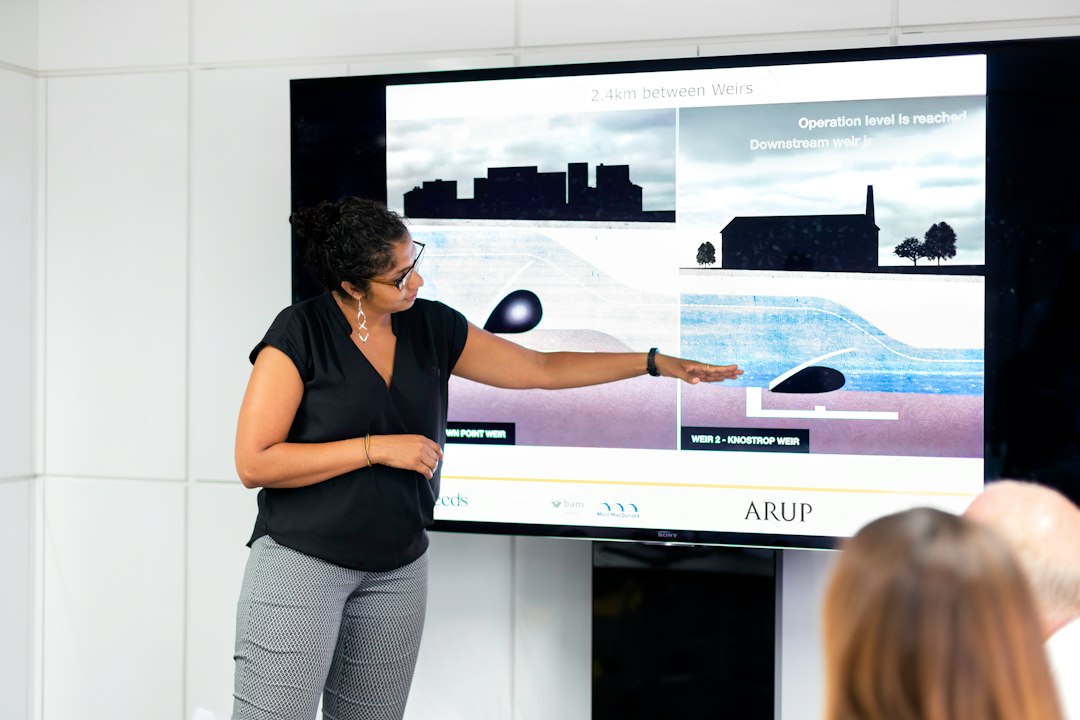
A finished side project usually looks smaller than the one in your head, and that is the point. Pick a narrow definition of done, something like a working demo, a printed first draft, or ten finished pages, and write that definition down before the last push begins. Share it at the next Indie Hackers Sydney meetup, post it to a library makerspace's project night, or hand it to the first person who agrees to look at it.
Once a project has a date and a witness, it stops being something you plan to return to and becomes something you either finish or explain. That shift changes how the next four weeks feel: smaller decisions get made faster, because there is no more room to keep the scope open. The project you started will not be perfect, but it will exist somewhere other than a folder on your laptop.