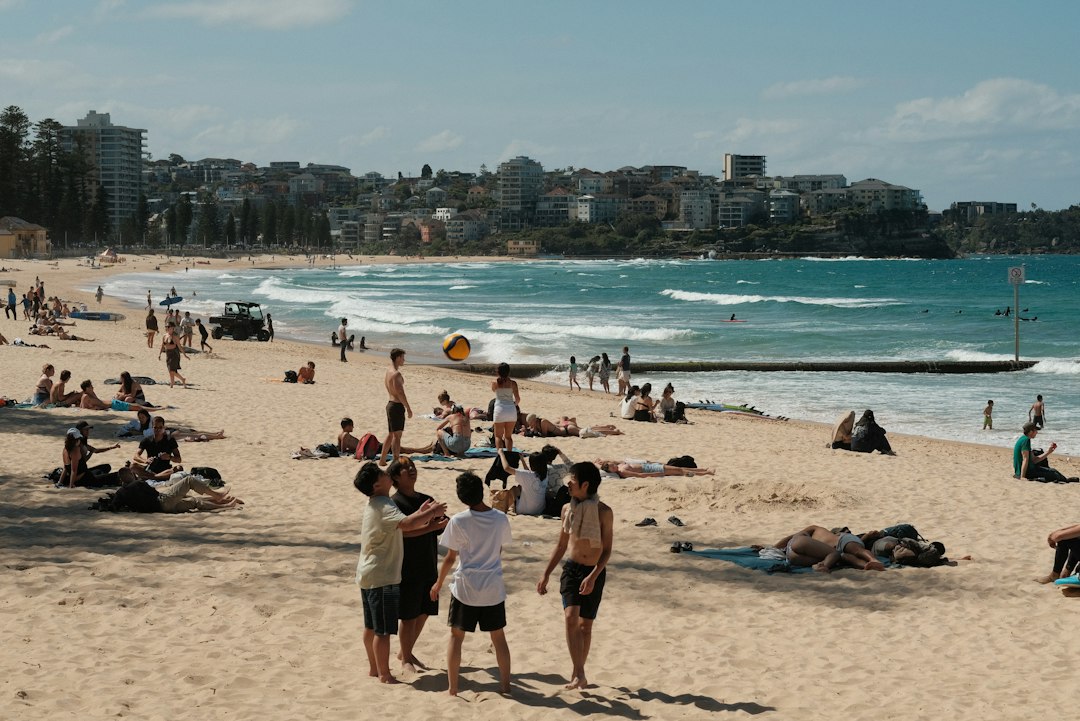
Spring has flipped a switch on Sydney's northern beaches. Daylight saving means longer evenings, the humpback whale migration is in its final weeks, and the first warm weekends pull commuters, families and visitors to the same stretch of sand between Manly and Palm Beach. November sits just before the summer peak, which makes it one of the best months to visit, provided you dodge the predictable bottlenecks. This guide covers the bus and ferry options, the real parking costs, and the beach swaps that keep a day out simple rather than stressful.
Why November changes the rhythm on the northern beaches
Daylight saving started in October, so evenings now stay light past seven and after-work swims have returned to the calendar. Spring temperatures climb steadily through November, drawing walkers, surfers and office workers back to the coast before the school holidays crowd the sand in December. The southward leg of the humpback migration adds another layer of traffic, since mothers travelling with calves back toward Antarctica reach their peak between mid-September and mid-November, which pulls extra visitors to clifftop lookouts at the same time beach crowds are building.
Most of that pressure lands on a handful of familiar names. The Northern Beaches local government area stretches across 40 separate beaches, from Manly in the south to Palm Beach in the north, yet visitors routinely default to the same two or three.
Getting to the northern beaches without fighting for a car park
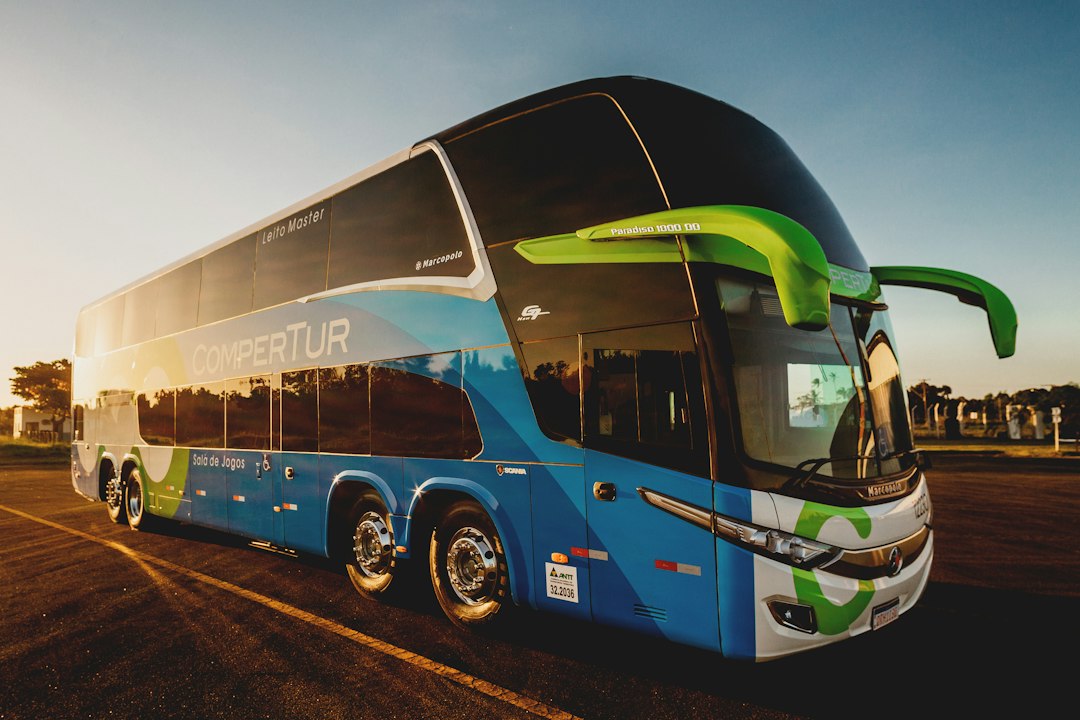
The B-Line bus removes a lot of the guesswork. It is Sydney's rapid bus route, bright yellow double-decker buses connecting Wynyard in the CBD to Mona Vale on the Northern Beaches, with stops at Neutral Bay, Spit Junction, Mosman, Manly Vale and Dee Why. Buses arrive every 10 minutes or better during the day and every 20 minutes or better at night. It runs with no set timetable to check, since it operates as a turn up and go service around the clock, seven days a week.
There is one catch worth knowing before you board. The B-Line stops at Manly Vale, not Manly Wharf, so central Manly needs an onward connection. If Manly itself is the destination, the ferry from Circular Quay remains the simpler choice: it is the iconic Sydney harbour experience, priced at AU$9.20 for an adult Opal or contactless single, weekends included. Anyone heading further north to Dee Why, Narrabeen or Mona Vale will usually find the bus faster door to door.
What parking really costs from Manly to Dee Why
Driving still works, but the fees vary sharply by suburb. Northern Beaches Council runs five paid parking stations across this stretch, four in Manly and one in Dee Why. Each one offers up to two hours of free parking between 6.30am and 6.59pm every day, which suits a swim and a coffee but not a full day on the sand. Stay past midnight and an overnight surcharge of $5 applies between midnight and 6.29am.
Street parking carries a steeper cost for anyone without a resident permit. Casual car parking charges at beaches like Manly and Balmoral run up to $10 an hour for those without a permit. Dee Why offers a cheaper alternative close by: the PCYC car park allows up to three hours of free parking a day, enough time for a lagoon walk or a swim without the Manly premium.
Swapping Manly for a quieter stretch of sand
Dee Why itself has limits worth knowing before you circle the block. It has two large car parks at the north and south ends of the beach, but Dee Why Lagoon means there is not much street parking available to beach goers. Curl Curl, one headland further north, tends to work better on a busy day. It is both longer and further north than its neighbours, so it has more parking available, and it is known for some of the best surfing on the Northern Beaches, which keeps the crowd spread along a wider strip of sand.
Freshwater sits in between the two and shares the same parking logic. Parking there, as at Curl Curl and across the Northern Beaches generally, is free for residents with a permit or available as pay and display. For a bigger change of scene, the drive or bus trip to Avalon, Whale Beach or Palm Beach trades convenience for far thinner crowds, especially on a weekday.
Catching the last weeks of whale season before it closes
Sydney's whale season has a hard end date this year. Captain Cook Cruises runs its Sydney whale watching cruise daily from 16 May to 1 November 2026, after which boat departures stop until next autumn. Anyone wanting a guided trip from Manly Wharf needs to book before that date rather than after it.
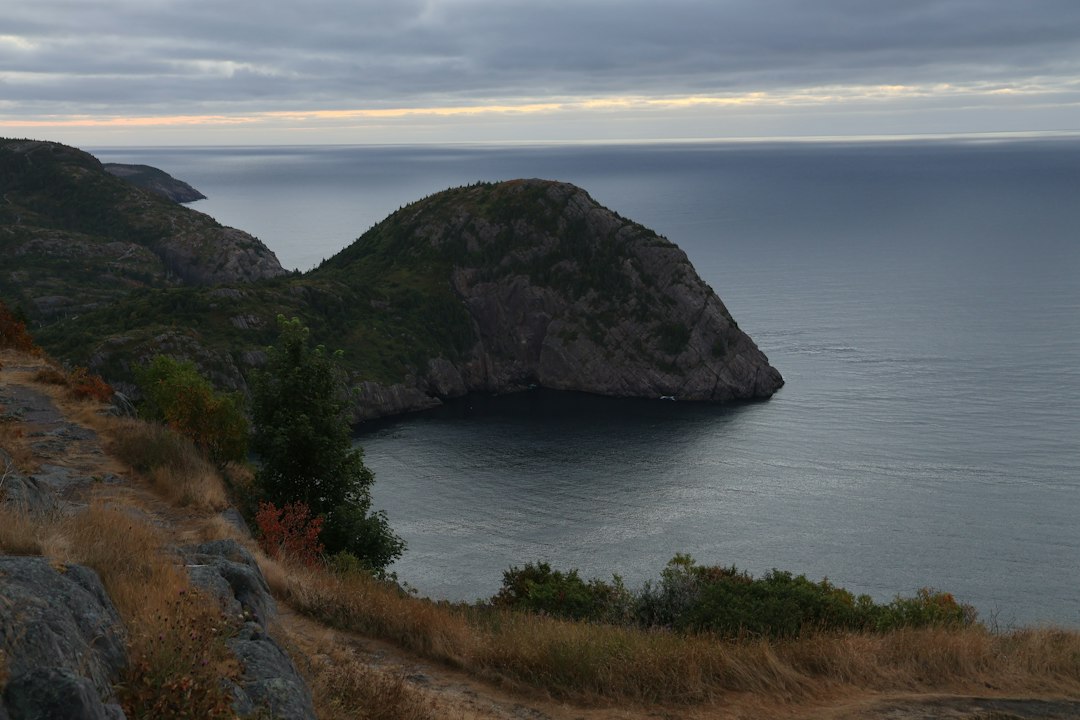
Land-based viewing stays open regardless of the cruise calendar. The Fairfax Walk at North Head is free, takes about 20 minutes from Manly, and delivers whale sightings most days during peak season. Long Reef Headland offers a similar elevated view further north, and the walk to Barrenjoey Lighthouse above Palm Beach is another reliable spot for spotting whales close to shore. None of these require a ticket, a timetable or a car park booking.
What to book now and what can wait
Settle transport first. Decide whether the B-Line to Dee Why or Curl Curl, or the ferry straight into Manly, suits your plans, since that choice shapes everything else about the day. If whale watching by boat matters to you, book it now: the season ends on 1 November and does not restart until autumn. Clifftop walks at North Head, Long Reef or Barrenjoey can happen on any clear day and need no advance booking at all.
Parking can wait until the morning of the trip for most beaches north of Manly, since Freshwater and Curl Curl rarely fill before mid-morning on weekdays. Manly is the exception: arrive before nine or expect to pay street rates or queue for a station. Summer accommodation and peak December crowds are a separate problem for another month, so there is no need to solve them in November.