After-school activities multiply every term, and most parents pick one within a week of enrolment day. The real test comes weeks later, when the gear sits unused in the hallway and the fee has already gone through. Sydney families juggle swimming lanes, dance studios, coding clubs and weekend sport, often without comparing them on the same terms. This guide lines up four common categories against the same questions, so you can see which one actually survives the school term.
Team sports
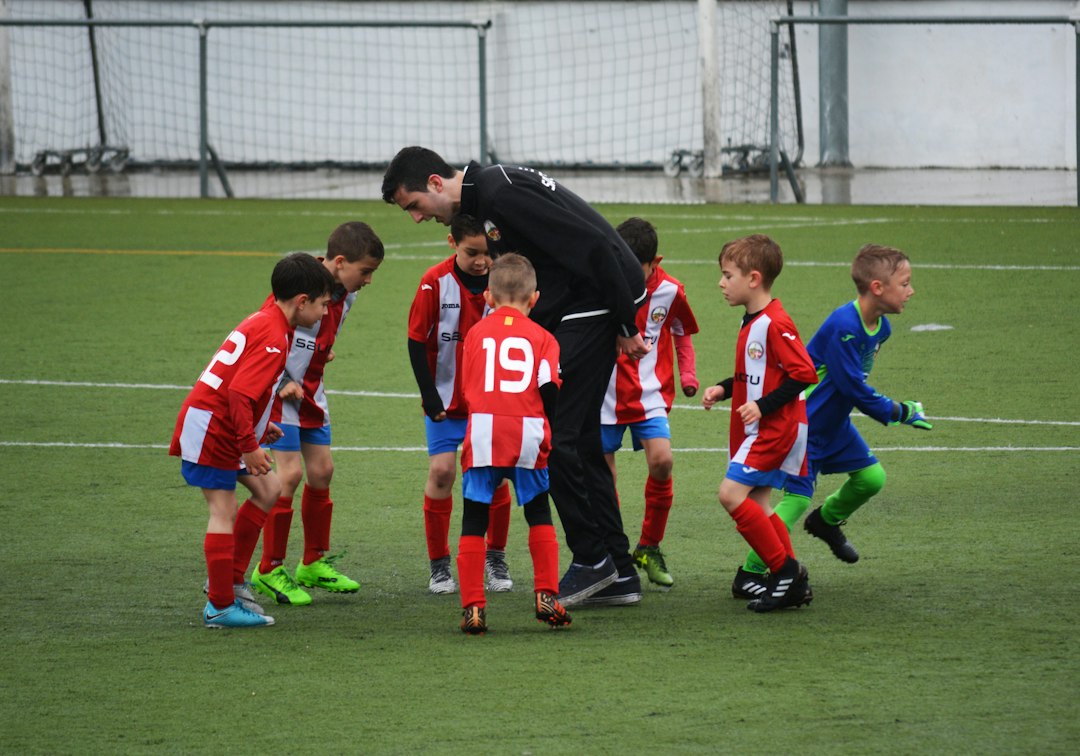
Team sport means local soccer, netball, rugby league or Auskick through an AFL NSW/ACT affiliated club. Registration usually runs from $150 to $300 a season, before uniforms and boots.
The voucher is valued at $50 and is available twice a year, one voucher from 15 January for use by 31 December of the same year, and one from 15 July for use by 14 July of the following year. Families can combine two valid vouchers for a total of $100 towards an eligible activity, for example voucher 1 with voucher 2 in the same year. That covers a meaningful chunk of a season's fees if a parent applies early.
Logistics are the real cost. Training runs midweek evenings, games fall on Saturday mornings, and Sydney's wet winter months bring regular washouts and rescheduled fixtures. Signs the activity is sticking include a child who asks about the next training session without being reminded, and who can name teammates by week three. The trade-off is commitment to a whole team: pulling out mid-season affects other families, not just your own.
Individual sport
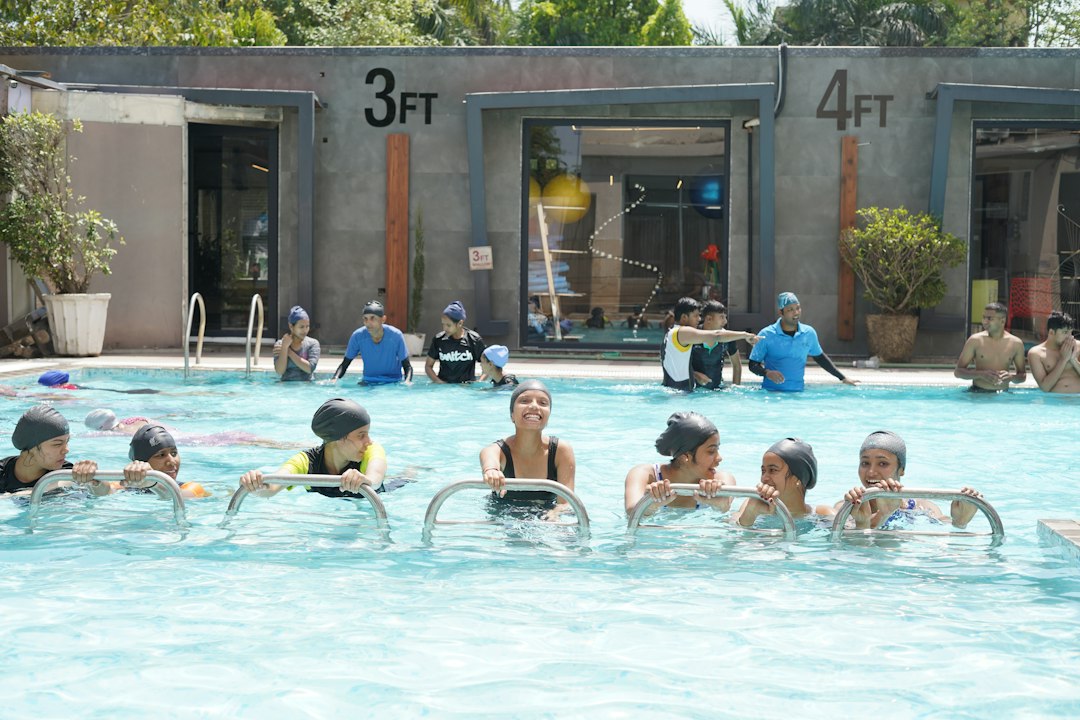
Swimming, tennis and athletics sit in this category, and Sydney has no shortage of options, from council pools to private swim schools and Little Athletics NSW centres. A weekly swim lesson at a registered provider typically costs $25 to $40, with no season-long contract in most cases.
The same $50 voucher applies here, since eligibility covers a child aged 4½ to 18 with family tax benefit. Individual sport runs year-round rather than in seasons, which suits Sydney's climate better than winter field sport does.
Progress is easier to see: a new badge, a faster lap time, a longer rally. The trade-off is less built-in socialising than team sport offers, and cost per hour tends to run higher because lessons are smaller or one-to-one.
Creative and arts classes
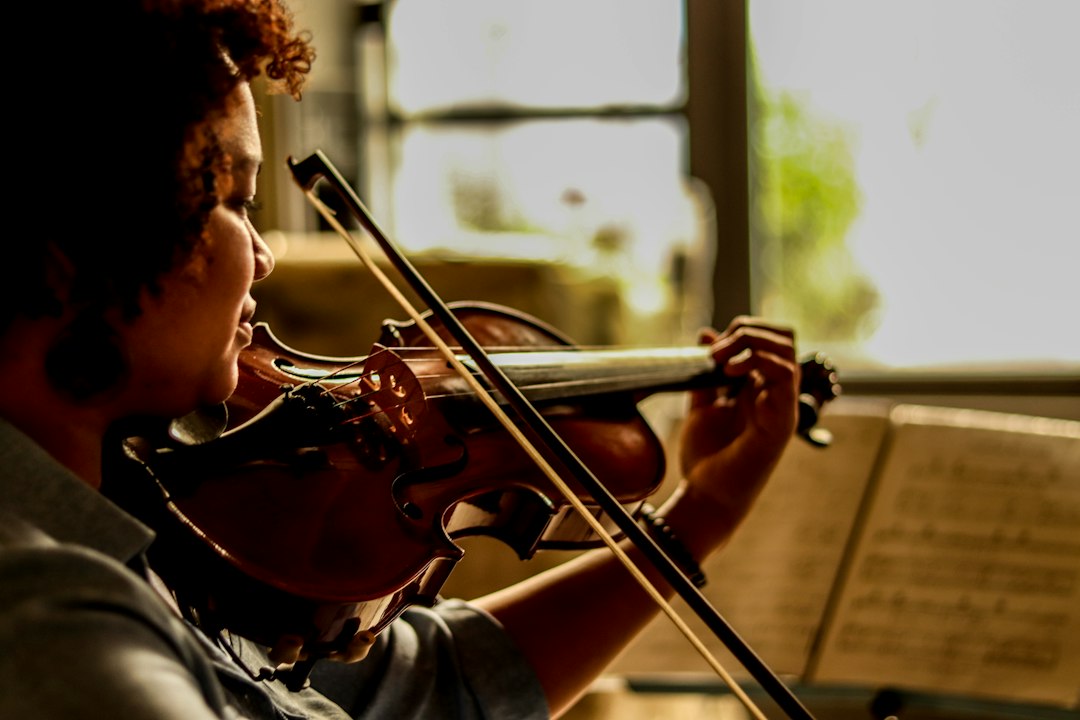
Music, drama, dance and visual art fall into this bracket. A weekly instrument lesson in Sydney typically runs from $35 to $60, and group drama or dance classes land somewhere between sport fees and private tuition.
The Active and Creative Kids scheme merged active and creative categories into one voucher system, so the same $50, twice a year, applies to music, art, drama and coding classes as much as to sport. Recitals and end-of-term showcases are the natural checkpoint: if a child wants family to attend, the activity has traction.
The trade-off is slower visible progress. A child can practise for months before a skill shows, which tests a parent's patience more than a weekly game does. Instrument hire or purchase also adds a cost that sport rarely requires.
Academic and STEM enrichment
Coding clubs, robotics and tutoring centres make up this category, including after-school programmes run by providers such as Code Camp and tutoring franchises with Sydney branches. Costs vary widely, from $20 a session for group coding to $70 or more for one-to-one tutoring.
These classes run indoors, which removes the weather disruption that affects outdoor sport in Sydney. They also run on standard school terms, so a family can trial one ten-week block without a long-term contract.
Signs it is sticking include a child who brings home a project unprompted and asks to continue next term. The trade-off is that enrichment can feel like an extension of the school day rather than a break from it, particularly for a child who is already tired by 3.30pm.
Who each option suits
Team sport suits a child who wants a weekly social ritual and a family that can commit to Saturday mornings for a full season. Individual sport suits a child who prefers measuring their own progress and a family with a tighter weekday window, since sessions are shorter and more flexible to reschedule.
Creative classes suit a child drawn to performance or quiet, repetitive focus, and parents willing to sit through a recital a few times a year. Academic and STEM clubs suit a curious child who treats problem-solving as play rather than homework, and families who want an indoor option for Sydney's wetter months.
Raising Children Network notes that it's okay if a child doesn't do many, or any, extracurricular activities, since these activities are voluntary rather than compulsory additions to a child's week.
The factor that actually decides this is not enthusiasm on day one. It is whether, around week six or eight, your child mentions the activity before you do. If a child keeps showing interest in a sport, music, or club, it is worth letting them explore it further to see if it suits them. If that mention has to come from you every single week, the activity has already stopped working, no matter how good it looked on the enrolment form.