
Food waste in Sydney kitchens rarely comes from neglect. It comes from timing: the salad bought on Monday for a dinner that got cancelled, the bread that turned at the back of the pantry. This guide skips the compost heap and backyard worm farm. It focuses on shopping, storage and two Sydney-based tools that stop food reaching the bin in the first place, whether or not your building already has a FOGO service.
What's filling your Sydney bin
Food waste in Sydney is less about carelessness and more about habits that run on autopilot. The average NSW household wastes 4.22 kilograms of food a week, costing $2,133 per household per year. In NSW, more than a third of the waste generated by households and sent to landfill is food. Most of that food was still safe to eat when it was thrown out.
NSW is also changing the infrastructure around this problem. The legislation mandates FOGO collection services for households by July 2030, and for businesses and institutions in stages from July 2026, as landfill is due to reach capacity in Greater Sydney by 2030. Some councils are already there. Inner West Council is leading the way as one of the first Sydney councils to introduce it, Randwick City Council runs a fully operational FOGO service, and City of Parramatta rolled out a new green lid FOGO bin from November 2024. If your building has no room for a third bin yet, the steps below work regardless.
Build a shopping list around what you already own
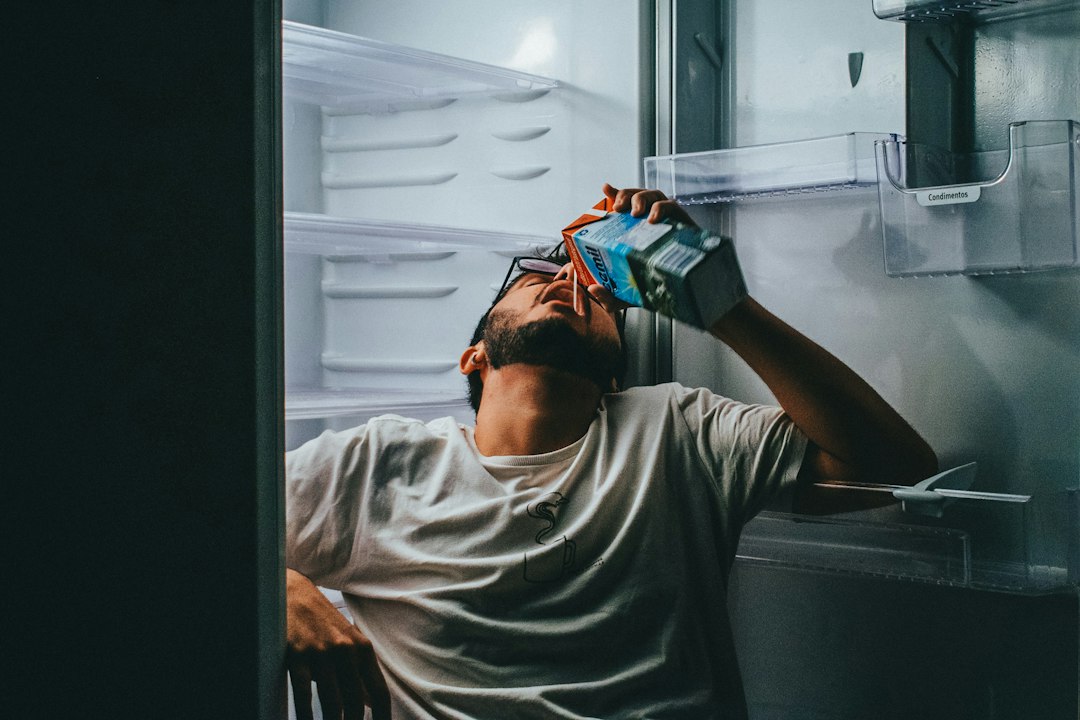
Before you head to Woolworths, Coles or a local IGA, open the fridge first. Check what is close to its use-by date and build tonight's and tomorrow's meals around it. Write a list for three or four days rather than a full week, since Sydney's warmer, humid stretches shorten the life of fresh produce faster than the packaging suggests. A second, smaller trip for leafy greens, berries or soft cheese usually wastes less than one big weekly shop.
Structure matters more than willpower here. Following practical tips and advice, households can reduce food waste by an average of 40%, according to NSW Government tracking of the Love Food Hate Waste program. That figure comes from changed habits, not new equipment.
Store food for Sydney's climate, not the label
A fridge thermometer is more useful than most storage gadgets. Keep the fridge at 5°C or below, since bacteria multiply faster once temperatures climb during a Sydney summer. Store herbs stem-down in a glass of water on the counter instead of letting them wilt in the crisper drawer.
Move bread to the freezer on the day you buy it if you won't finish it within three days, particularly from October to March when humidity speeds up mould growth. Keep onions, potatoes and garlic in a dark, ventilated spot outside the fridge. Cold storage changes their texture and actually shortens how long they last.
Rescue food with local apps instead of relying on a bin
Some food waste happens before it ever reaches your kitchen, at the bakery, cafe or supermarket end of the day. Too Good To Go launched in Sydney in November 2024, and has since partnered with more than 500 businesses across Sydney to offer cut-price food through its Surprise Bags. Surprise Bags start from as little as $6.99 and typically contain unsold bread, pastries, produce or prepared meals.
Using the app for a lunch or dinner here and there reduces the pressure to over-shop at home for the same meal. It also means less cooked food gets scraped into the bin because you bought ingredients you didn't need. Checking the app before a supermarket run, rather than after, is what actually changes the habit.
Freeze first, decide later
A freezer works as a pause button on food that would otherwise be wasted. Freeze leftovers within two hours of cooking, label them with the date, and aim to use them within three months. Collect vegetable scraps such as onion ends, carrot peels and herb stems in a bag in the freezer until you have enough for a pot of stock.
Batch-cook proteins such as chicken or lentils and freeze single portions in labelled containers. Herbs can go into ice cube trays with a little olive oil before they wilt. None of this needs a compost bin, a council collection, or a backyard.
What to do first, and what can wait
Start this week with a fridge audit and a four-day shopping list, since both take minutes and need no new equipment. Set the fridge to 5°C and download a surplus-food app for your suburb before your next grocery run. These two steps address most of the $2,133 average annual loss without any council involvement.
Wait on buying composting equipment or signing up for subscription produce boxes until you have tracked two weeks of what actually goes in your bin. Gear bought before the habit changes rarely reduces waste on its own. If your council has not delivered a FOGO bin yet, check its rollout date against the state's July 2030 deadline, and treat the shopping, storage and freezer habits above as your main waste-reduction tool until it arrives.