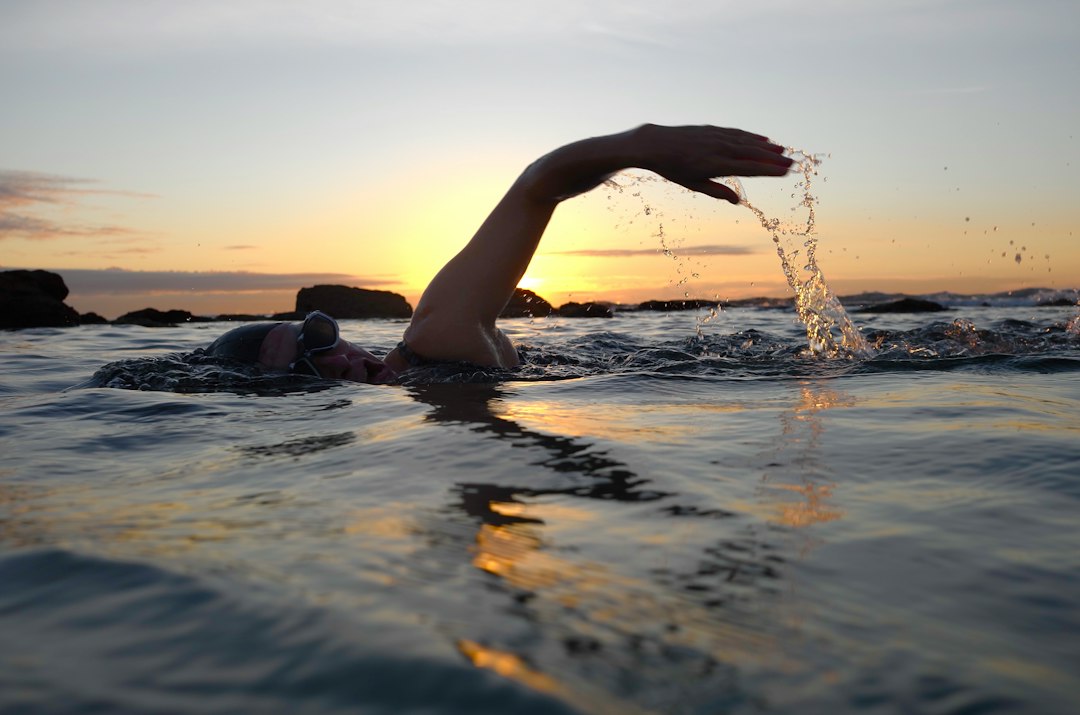
At Manly's ocean pool just after sunrise, a dozen swimmers start their ocean swim training in water that still carries a sharp spring chill. Many are preparing for the Cole Classic, the open water race that returns to these same waters each summer. The sea here sits well below its warmest point of the year, and the gap between now and February shapes how fast they need to build fitness. Some have entered the 1km course, others the full 5km crossing from Shelly Beach to Manly, and all of them are racing the calendar as much as each other.
Why ocean swim training matters this month
Sydney's coastal water follows a predictable yearly pattern. The average sea temperature in early November is around 19.5°C. That is cool enough that most swimmers still reach for a wetsuit or shorten their first few sessions.
By contrast, late February is typically the warmest time of year in Sydney, with average sea temperatures maxxing out at around 23.5°C. September is the coldest month, with an average water temperature of 18.6°C. That four or five degree swing between spring and late summer is exactly the gap swimmers are training through right now.
Not everyone waits for the open coast to warm up. Hardy locals swim year-round in ocean pools such as Bondi Icebergs and Bronte, though most casual swimmers find June to September too cold without a wetsuit. For anyone building toward a summer race, those tidal pools offer a controlled way to keep swimming through the coolest months.
Who is heading into the water before summer
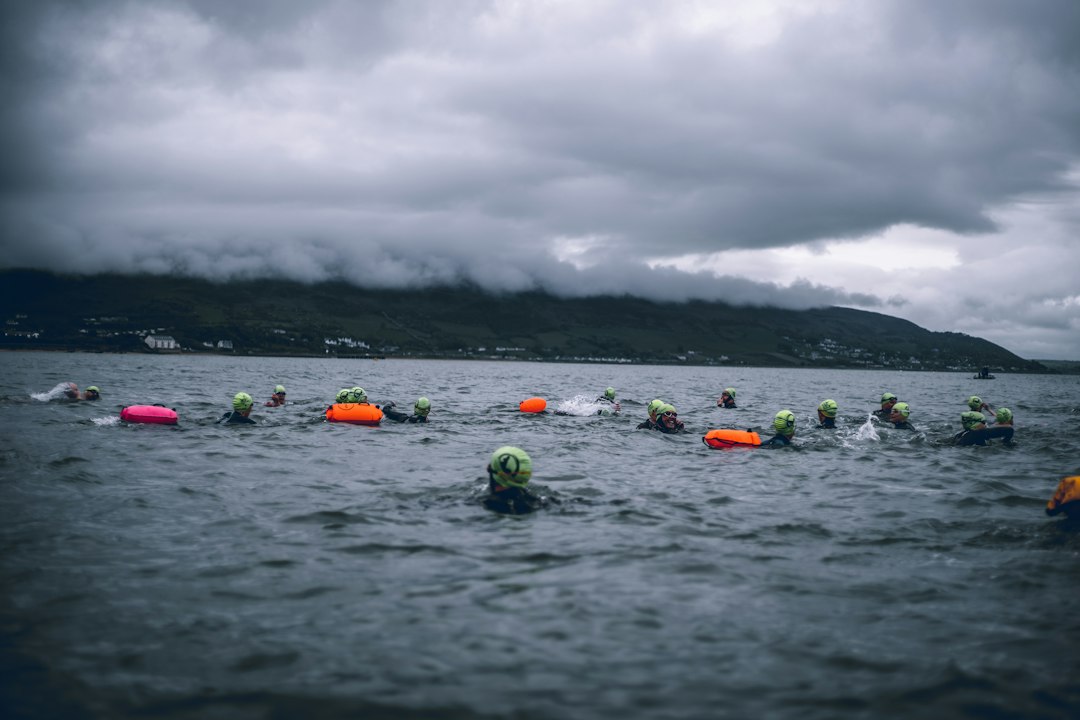
The Cole Classic draws a wide spread of swimmers each year, from first-timers to seasoned club members. It is organised by Fairfax Events, which also runs City2Surf, for The Sydney Morning Herald, working with the Manly Life Saving Club. The race was started by the Cole family in 1982.
The event now offers three distances. Swimmers can choose a 1km, 2km or 5km course, giving first-time open water swimmers and seasoned competitors a start line on the same morning. More than 6,000 swimmers were registered to take part in the 2026 edition. That scale means training squads, solo swimmers and charity fundraisers are all in the water at once, often sharing the same stretch of coast on weekend mornings.
What the training numbers show
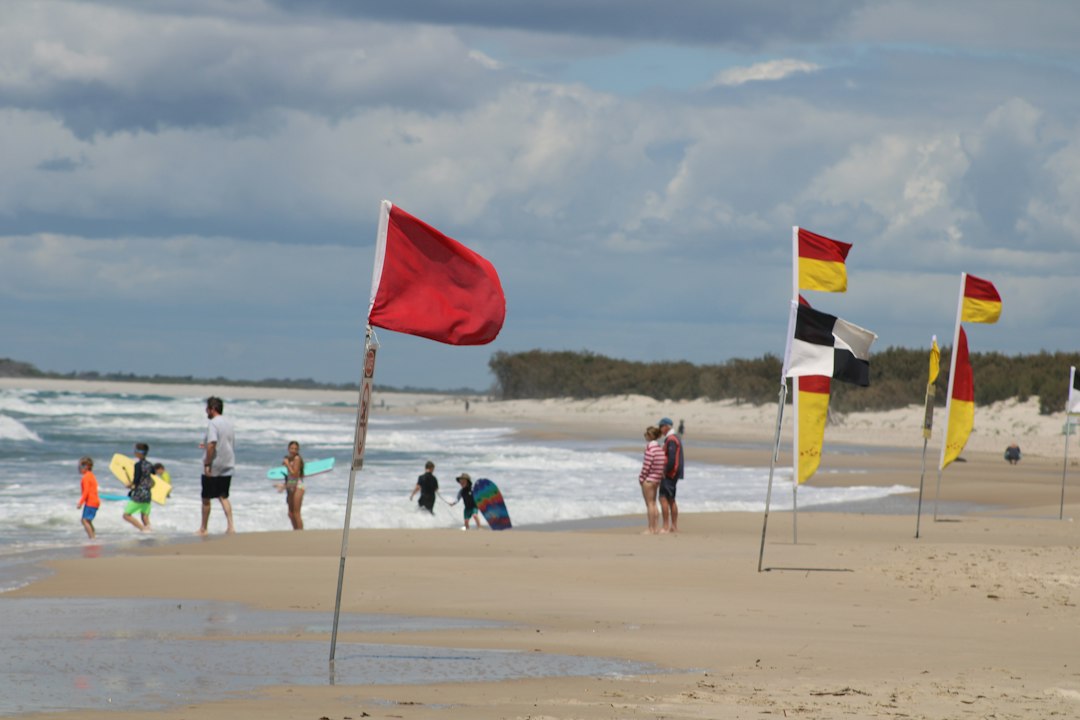
Rip currents are the biggest risk anyone training in open water needs to understand. Surf Life Saving NSW lists rip currents as the number one hazard on Australian beaches. Over the last ten years in Australia, an average of 26 people have drowned in rip currents every year, with thousands more rescued.
Surf Life Saving NSW teaches a simple three-step response. Relax and float to conserve energy, raise an arm to attract attention, then wait for lifeguards or lifesavers to reach you. Before entering the water at all, the organisation also promotes a basic check. Stop to check for rips, look for other dangers, then plan how to stay safe.
Many swimmers preparing for the Cole Classic's longer distances choose structured coaching rather than training alone, building confidence in open water before race day. Sydney's surf and water sports schools run squads that combine pool endurance work with supervised ocean sessions, which is where most beginners start before attempting a 2km or 5km swim.
What comes next for Sydney's ocean swim season
This year's Cole Classic did not run on its usual early February date. Organisers worked closely with Manly Life Saving Club, Surf Life Saving Northern Beaches, Northern Beaches Council lifeguards, DPI and other key safety agencies to assess ocean conditions, environmental factors and operational readiness. The swim was moved to Sunday 22 February 2026, after Sydney's Northern Beaches reopened and water quality continued to improve following a record rainfall event.
Organisers framed the delay as a safety call rather than a scheduling problem. They described the event as being about more than delivering a race, saying their role is to create an environment where swimmers feel supported and confident to be in the water. Entries for the 2027 edition were due to open in October 2026. That means this spring's training sessions are already building toward a race whose exact date may again depend on conditions nobody can confirm until the week it happens.