A heatwave bag is the one thing that turns a hot school holiday outing in Sydney into a manageable afternoon rather than a risk. The Bureau of Meteorology issues heatwave forecasts and warnings from October until the end of March, covering most of the school holiday calendar, and babies and children 0-5 are particularly vulnerable to heat-related illness according to NSW Health. Packing the right items before you leave the house, rather than reacting once a child feels unwell, keeps the day on track. This guide picks items with a documented reason to be in the bag, not a generic packing list.
Every item below answers a specific heat risk named by NSW Health, the Bureau of Meteorology or Cancer Council NSW, not a vague tip about staying cool. If an item only helps on a mild day, it does not make this list.
Water bottle and a hydration backup
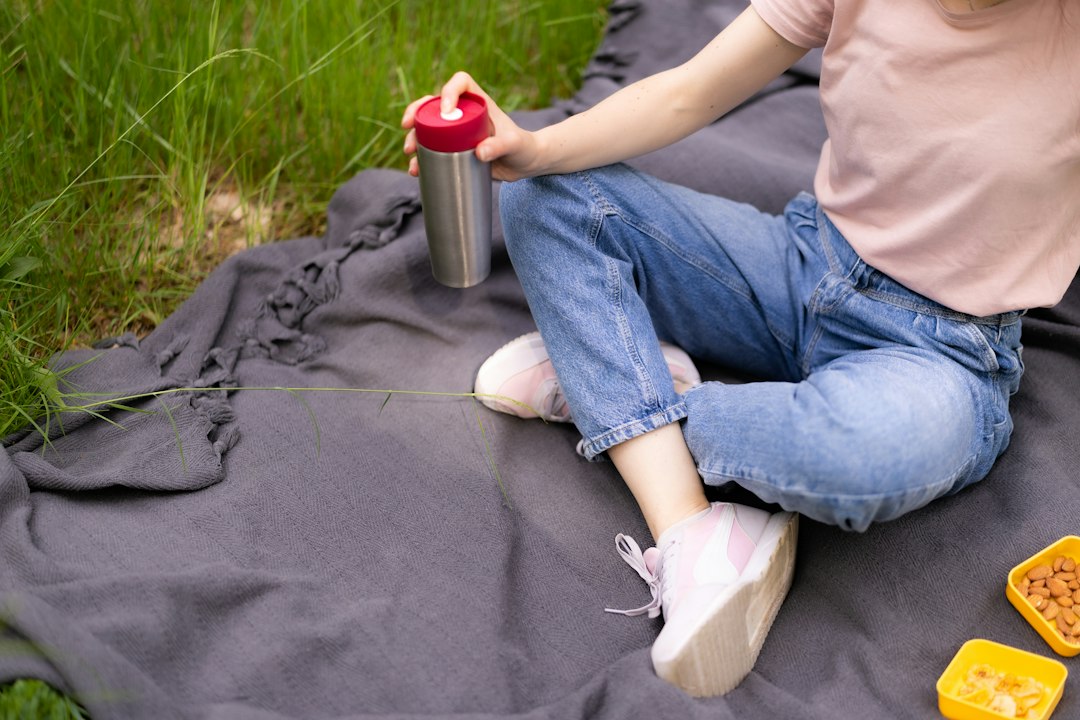
Babies and young children are at increased risk of heat-related illness and require particular care to make sure their health is protected during hot weather, according to NSW Health. Its advice is direct: offer extra drinks in hot weather, since the best drink for older babies and children is water. The Sydney Children's Hospitals Network adds that once early symptoms appear, you should move your child to a cool, shady place, remove extra clothing, and encourage them to drink cool water or oral rehydration fluids. Pack a refillable bottle plus one sachet of oral rehydration powder, and skip the juice, since NSW Health advises against replacing your water intake with alcoholic or sugary drinks.
Sun protection kit matched to the UV index
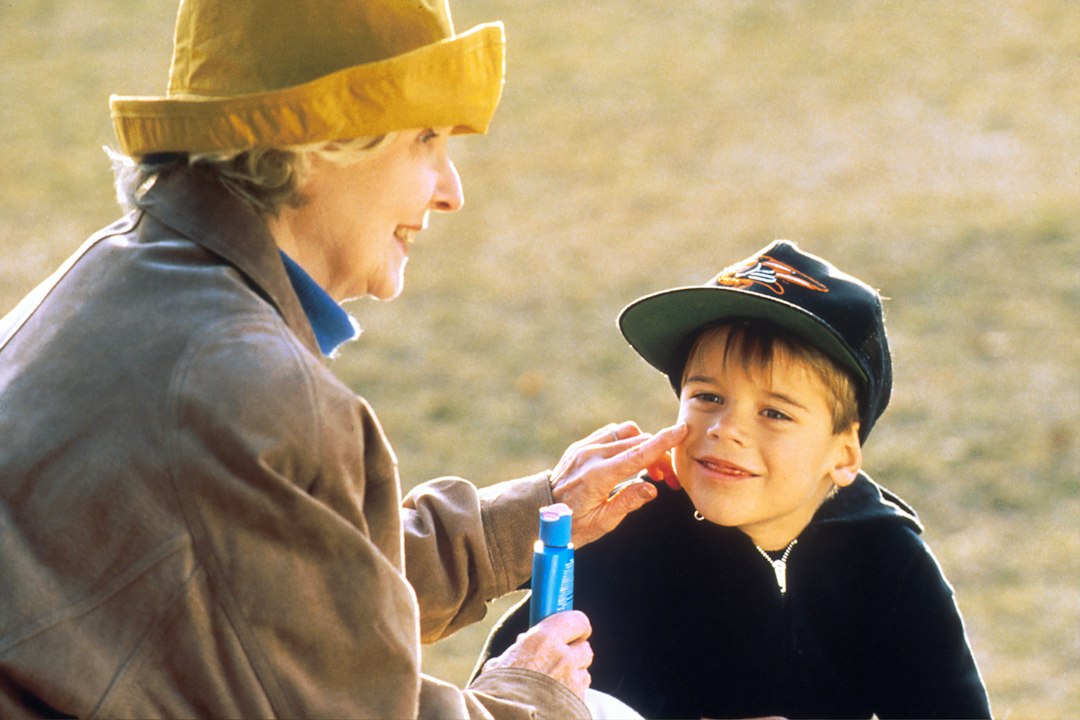
Cancer Council NSW recommends you choose a water-resistant, broad spectrum sunscreen which is at least SPF 50, apply it generously 20 minutes before going out, and reapply every two hours, or more if towel drying or sweating excessively. A broad-brimmed, bucket or legionnaire-style hat protects the ears, sides of the face and back of the neck better than a cap. Sunglasses should meet Australian Standard 1067. Protection matters whenever the UV index reaches 3 or above, a level NSW is high enough to damage unprotected skin at least 10 months of the year, so check the SunSmart Global UV app before you decide, rather than judging by the temperature.
Cooling tools that fit in a side pocket
NSW Health's own advice includes wetting your skin with cool water using a spray bottle or a damp sponge or cloth, and placing cool packs or crushed ice in a damp towel loosely over the neck and shoulders. A small spray bottle and one reusable cool pack cost little and work faster than fanning alone. If the outing includes a stop at one of the shaded playgrounds or water play spots listed under family activities in Sydney, the bag can travel lighter, since those venues usually offer shade and a tap. Reserve the cool pack for the hottest stretch of the day, since Cancer Council advises you minimise outdoor activities between 11am and 3pm from October to April, when UV levels peak.
A full change of light, loose clothing
NSW Health recommends that you dress babies and children in light, loose clothing and protect them from the sun with hats and sunscreen, rather than relying on sunscreen alone. Cancer Council NSW extends the same logic to older children: long sun-protective clothing with a close weave is one of the easiest and most effective ways to protect your skin. Pack a complete spare outfit, since sweat and sunscreen residue often make the original set uncomfortable by midafternoon.
A heat illness kit and the signs to watch for
Heat exhaustion is when the body overheats and causes symptoms, while heatstroke is a severe, life-threatening condition where the body's temperature is dangerously high and needs emergency medical treatment, the Sydney Children's Hospitals Network notes. For heat exhaustion, move your child to a cool, shady place, remove extra clothing, and encourage them to drink cool water or oral rehydration fluids while you watch for improvement. Heatstroke needs cold packs placed on their neck, under the armpits and around the groin, plus an ambulance call, since it is a medical emergency. Nausea or headaches for older children are early warning signs worth packing a thermometer for.
Emergency numbers and a charged phone
Keep healthdirect's number saved in your phone, since you can phone healthdirect on 1800 022 222 for health information and advice 24 hours a day, 7 days a week. NSW Health is explicit that you should never leave babies or children alone in the car, no matter the weather, since cars quickly become too hot even in mild conditions. A laminated card with allergies, medications and your GP's number saves time if someone else is supervising the group.
A five minute weather check before you leave
The Bureau of Meteorology defines a heatwave as three or more days in a row when both daytime and night-time temperatures are unusually high for the local climate, not a single hot afternoon. Its heatwave service maps the previous two three-day periods and the next five three-day periods, and runs from October to the end of March. Checking this, rather than the daily forecast alone, shows whether the body gets a cool night to recover before the next hot day.
How to choose what goes in your heatwave bag first
A quick trip to a local pool or shopping centre rarely needs the full list. Water, sunscreen and a charged phone cover most short outings, since help and shade are close by.
A full day outdoors, a bushwalk, a beach trip or a sports carnival changes the calculation. Add the cooling tools, the spare outfit and the heat illness kit, because shade and taps may be further away than expected.
For babies and children under five, NSW Health's instruction to check on babies and young children regularly during hot weather applies to the bag as much as the itinerary. Pack for their size and age, not an adult's assumptions about what counts as hot.
Whatever the plan, check the Bureau's heatwave service the night before and again in the morning. Conditions can shift across a three-day window, and a bag packed for a mild morning will not help by mid-afternoon.