
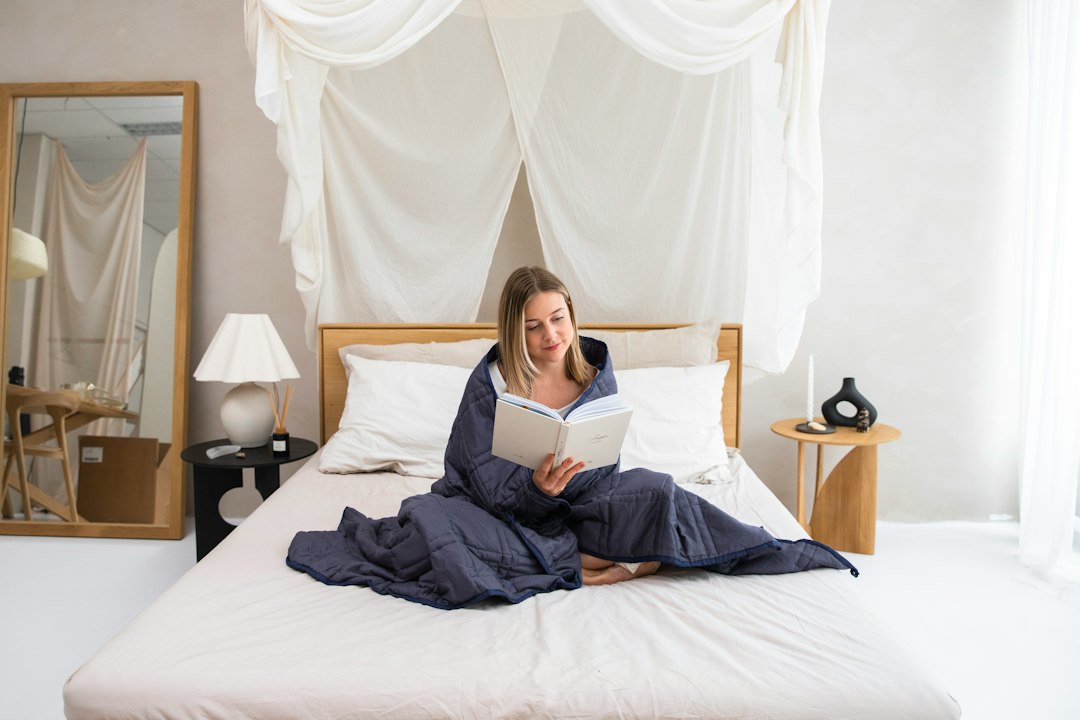
A sleep routine built for a Sydney summer night needs to start earlier than most people assume. The Bureau of Meteorology's Observatory Hill station records overnight minimums that sit close to 19°C through December, January and February, warm enough to work against the body's natural drop in temperature. A fixed bedtime will not undo that on its own. What changes outcomes is a sequence, specific actions taken in order, starting roughly ninety minutes before lights out, that lower core temperature before the mattress has to do the work alone.
Why Sydney's summer nights work against sleep
The Bureau of Meteorology publishes these figures as long-term averages from station 066062 at Observatory Hill, near Circular Quay, with the temperature and rainfall record stretching back to 1858. January averages 26.0°C by day and 18.8°C overnight, while July, the coldest month, still averages 16.4°C by day and 8.1°C overnight. Humidity is the defining feature of the season: overnight minimums around 18.8 to 18.9°C mean there is little relief after dark, and the combination of warmth and moisture feeds the afternoon thunderstorms that roll in from the west. Average humidity spikes to 65 percent across the season, well above what autumn brings.
None of that matches what the body needs to sleep well. Research has found the ideal sleeping temperature is around 17 to 19 degrees Celsius, several degrees below a typical Sydney bedroom in January. As you fall asleep your core body temperature drops, reaching a low point around 3 to 5am at night, so a bedroom that stays warm works directly against that drop. The most recent summer on record made the pattern worse: the mean daily minimum temperature for Sydney at Observatory Hill was 19.7°C, and mean minimum temperatures for summer at all sites across Greater Sydney were above average.

A step-by-step sleep routine, timed to the clock
A single trick rarely fixes a hot night. A timed sequence works better, because each step removes one more source of heat before the next stage begins. The routine below runs backward from bedtime, with each stage tied to a set point in the evening.
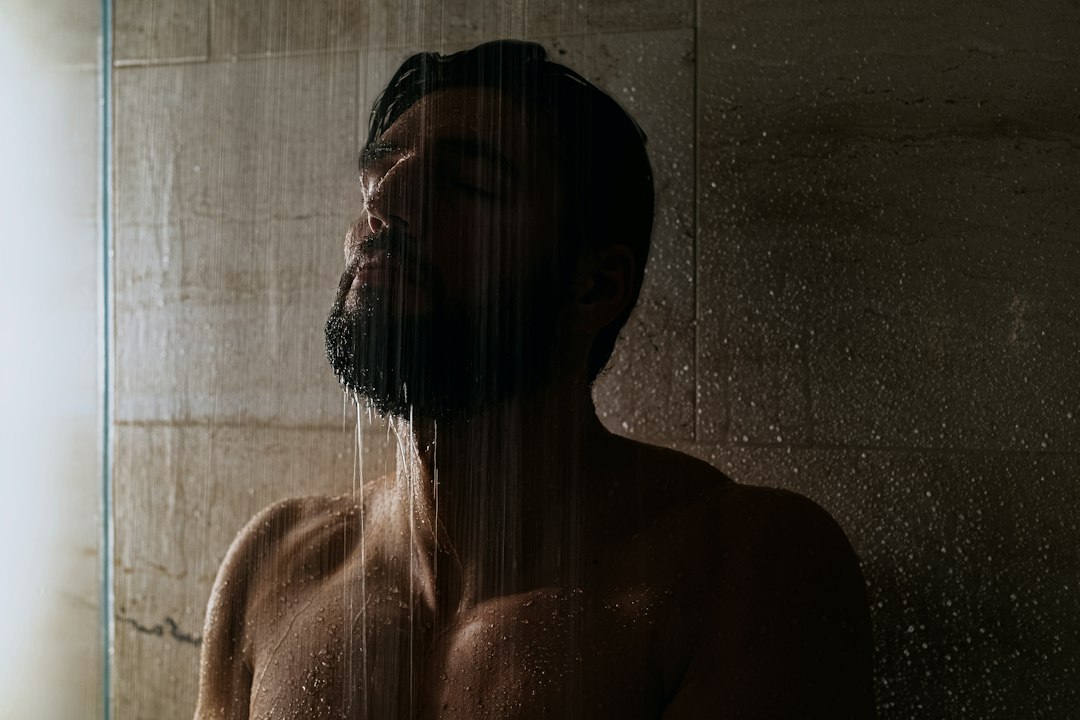
1. Earlier in the day: avoid the bedroom getting too heated during the day by keeping heavy drapes or blinds on the windows closed all day when it is forecast to be hot. 2. Ninety minutes before bed: finish dinner and skip caffeine or alcohol, since consuming heavy meals, caffeine or alcohol can increase body temperature and interfere with falling asleep. 3. Sixty minutes before bed: take a cool shower rather than a hot one, because a cool shower before sleep helps lower core temperature. 4. Thirty minutes before bed: check the room sits within the humidity range bedrooms need, since bedroom humidity around 30 to 50 percent is ideal, and heavy synthetic duvets trap heat while natural fibres breathe. Hanging a wet sheet in front of an open window will cool the air entering the bedroom if the room still feels heavy. 5. At bedtime: draw the curtains, since blackout curtains, designed to block all outside light, are particularly effective at keeping bedrooms cool in summer, and if a shared bed is adding to the heat, tell your bed partner it is too hot to sleep curled up together so you do not also have to cope with their body heat.
Stocking the bedroom before the next heatwave
Many Sydney apartments built before ducted cooling became standard rely on fans, curtains and bedding rather than a central system, so those choices carry more weight than they would in a fully air conditioned house. The humidity band that matters is not a cosmetic detail: bedroom humidity around 30 to 50 percent is the target, and bedding choice matters because heavy synthetic duvets trap heat while natural fibres breathe. Getting blackout curtains and breathable sheets sorted before the first heatwave avoids the scramble of ordering online once a run of humid nights has already started. A visit to shops in Sydney stocking blackout curtains and moisture-wicking sheets turns that scramble into one afternoon errand instead of a week of bad sleep.
The air conditioning objection, and where it falls short
The obvious response to all of this is to switch on the air conditioner and skip the routine entirely. That response holds up for a household with a working split system and a power bill that can absorb running it overnight. It skips over two real constraints that a lot of advice ignores.
First, many Sydney renters and apartment dwellers have no ducted or split system fitted, and retrofitting one is neither cheap nor always permitted under a lease. Second, air conditioning alone does not solve the humidity problem that defines a Sydney summer: in a hot, humid bedroom around 28°C and 70 percent relative humidity, sweat cannot evaporate well and the room is not cool enough for radiant cooling. A unit chasing only the thermostat number, without also pulling moisture from the air, can still leave a sleeper uncomfortable.
A free alternative sits a short walk from the city centre. Andrew (Boy) Charlton Pool is a fifty metre, eight lane heated saltwater pool in the Domain, and the gates opened again on 1 September and the season runs through to 30 April. Daily hours run 6am to 8pm, with public holidays trimmed to 7am to 7pm, so an early evening lap swim before the ninety-minute wind-down begins gives the body a genuine head start on cooling down, air conditioning or not.
What changes once the sleep routine runs every night
Once the sequence runs on repeat, the benefit shows up less as one good night and more as fewer wake-ups across the whole season. You are most sensitive to temperature during the first two NREM sleep stages, so you are more likely to wake up during these stages if you feel hot, which is exactly when a warm bedroom tends to pull a sleeper back toward wakefulness. A room that sits closer to the body's own thermoneutral zone, around 24°C, asks less of the body's temperature regulation, so sleep holds rather than fragmenting every hour or two.
None of this needs a renovation or a new mattress. It asks for a sequence followed in order, most nights, through the months when Sydney's overnight minimum refuses to drop. A single hot night will not undo that habit, and a single trick, used alone, will not replace it.