
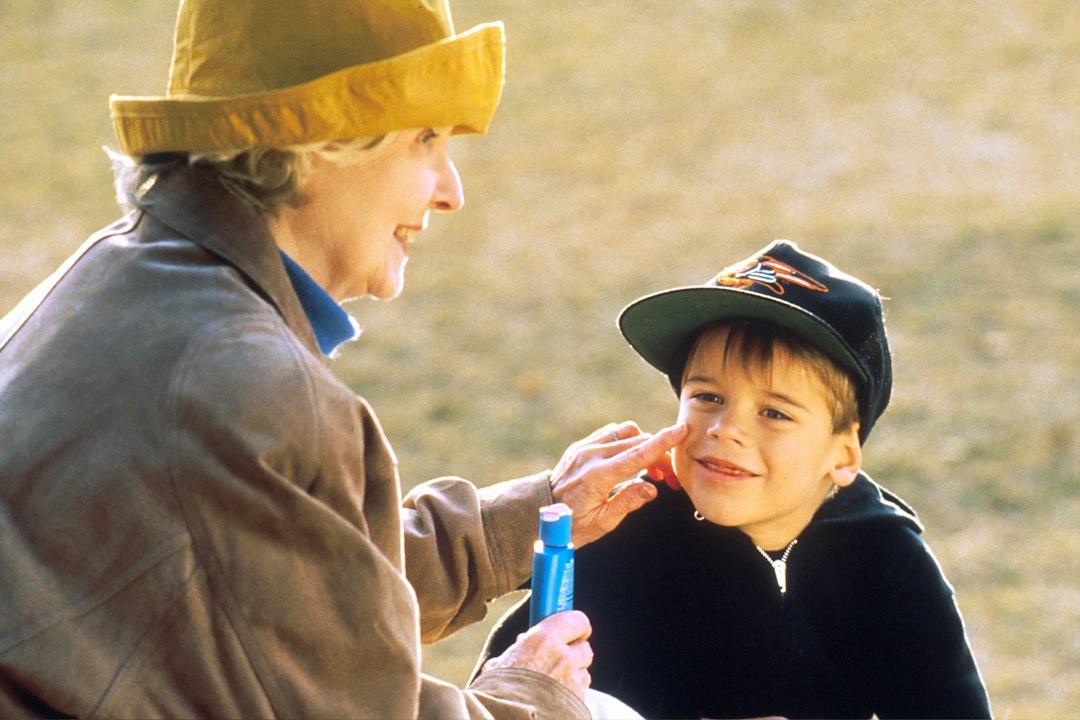
Switching from a chemical sunscreen to a mineral one sounds simple until you stand in the aisle, reading labels full of zinc oxide, titanium dioxide and SPF numbers that all claim broad protection. You want something that will not sting your eyes at the beach, will not leave a pale cast on your face before a meeting, and will actually hold up through a Sydney summer. This guide breaks the switch into steps you can take this week, from reading the label correctly to building a reapplication habit that survives a day outdoors.
Each step below was chosen because it solves a problem that actually derails a switch to mineral sunscreen, not because it fills out a list. The order follows what new users report struggling with first: understanding the label, matching SPF to Sydney's UV, picking a format, testing it properly, building the habit, and adapting it for sensitive skin.
Learn what counts as a mineral formula
The TGA explains that mineral sunscreens, also called physical sunscreens, use zinc oxide and/or titanium dioxide as active ingredients to protect skin by reflecting or scattering UV rays. The TGA also notes that some mineral sunscreens use nanoparticles of zinc oxide or titanium dioxide, and its 2017 review found nanoparticles in sunscreens do not go deep into the skin and are unlikely to cause harm when used as directed. Zinc oxide is slightly better at blocking UVA rays, while titanium dioxide is slightly better at blocking UVB rays. A blend of both filters often gives steadier coverage across the whole UV spectrum.
Match the SPF to Sydney's summer UV
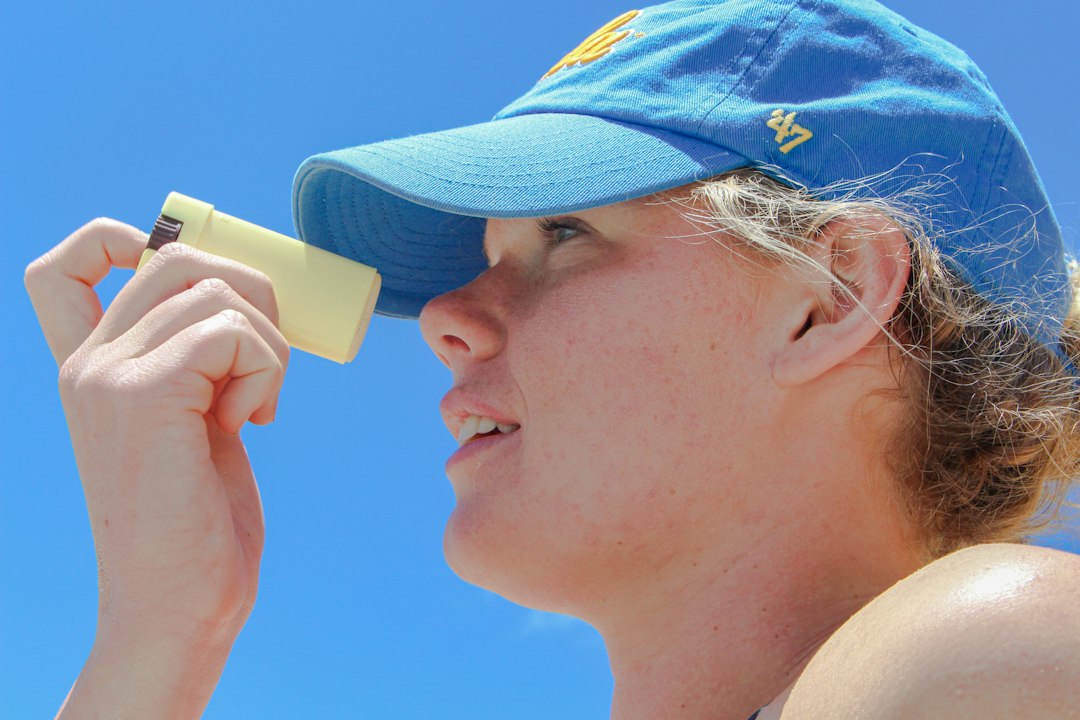
During summer, from December through February, the UV index regularly exceeds 11 and can reach 14 on clear days. Sun protection is recommended during times when the UV index reaches 3 and above, a threshold Sydney clears most mornings from September to April. Cancer Council recommends sunscreen that is SPF50 or SPF50+, broad-spectrum and water-resistant, applied correctly and reapplied every two hours. Anything lower leaves a real gap once the UV index moves past ten.
Choose a format that suits your skin and budget
Mineral sunscreen now comes as lotion, stick, tinted cream and serum, with price moving alongside format. A litre of Cancer Council SPF 50+ typically costs between $22 and $29, while a 50ml face sunscreen ranges from $14.50 to $32. If you want to compare textures before committing to a full tube, a visit to local beauty and cosmetics shops lets you test a stick against a lotion in person. Cancer Council does not recommend aerosol sunscreens, and the TGA has planned a review of their efficacy.
Patch test before the UV index climbs
A mineral formula that looks fine on a tester's hand in-store can behave differently across a whole face in daylight. A sunscreen built on 10% zinc oxide and 8% titanium dioxide, without chemical SPF boosters, suits people with sunscreen allergies well. Reviewers have noted that some untinted mineral sunscreens manage a lighter white cast even without SPF boosters. Apply a small amount to your jaw and neck on a weekend morning, then check it in natural light before you commit a whole bottle to your routine.
Build a two-hour reapplication habit
Mineral filters sit on top of skin, so they wear off with towel-drying, sweat and water the same way chemical filters do. Cancer Council recommends applying sunscreen 20 minutes before you head outdoors and reapplying every two hours. Adults should use about a teaspoon for the face, neck and ears, a teaspoon for each arm and leg, and a teaspoon each for the front and back of the body. Store the bottle below 30°C and stop using it past its expiry date, since a car interior or a beach bag in January both run hotter than that.

Switch sensitive skin and kids first
If anyone in your household reacts to chemical filters, start the switch with them rather than waiting for a full household changeover. Zinc oxide is calming and anti-inflammatory, making mineral SPF a reliable choice for sensitive, acne-prone or redness-prone skin. A zinc oxide formula free of parabens and fragrances works well for sensitive skin types. A gentle zinc cream formulated for eczema-prone skin can also suit babies and young children who react to standard lotions.
How to choose the right starting point
Start with whichever step solves your biggest complaint about sunscreen today. If white cast is what stops you using it, prioritise the patch test and format comparison before anything else. If you forget to reapply, build the two-hour habit first and let the format follow later.
Cancer Council recommends that outdoor workers or those working near highly reflective surfaces use sun protection year round, even when the UV Index is below 3, so tradespeople and regular walkers should not wait for a UV alert to make the switch. Everyone else can follow the UV index itself, starting the new routine as soon as Sydney's forecast moves past three.