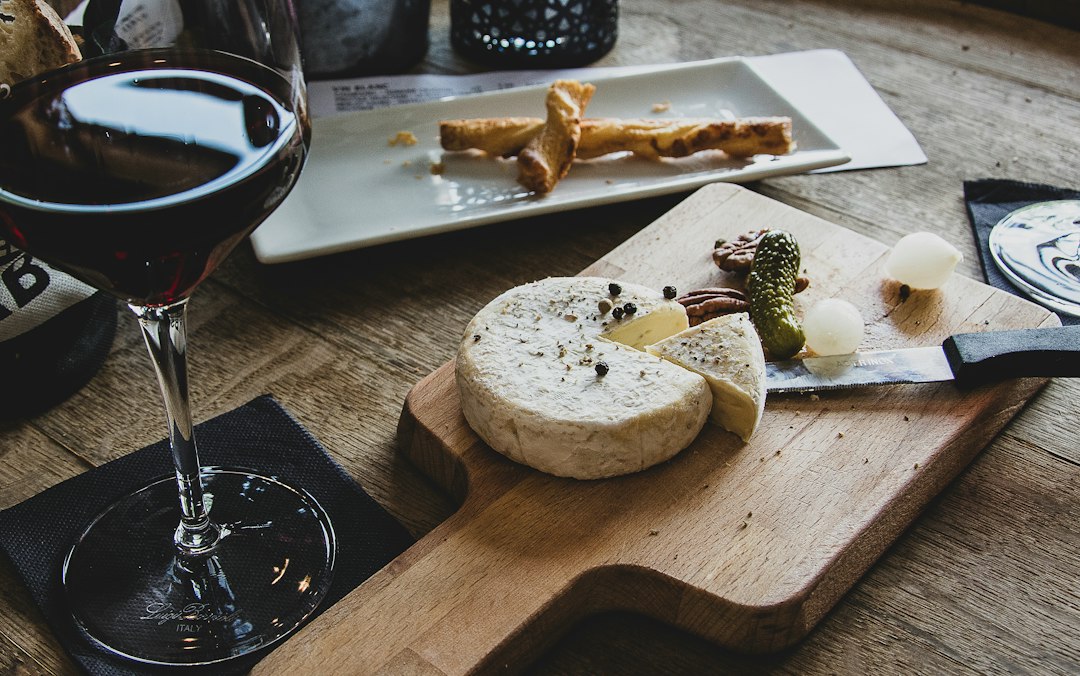
Standing at the counter of the GPO Cheese and Wine Room, under Martin Place, most shoppers freeze somewhere between a soft brie and a hard manchego. The bottle waiting at home does not announce what it needs, and neither does the wheel in front of you. This guide removes that guesswork. It explains which wine styles suit which cheese families, where in Sydney to buy both well, and how to build a board that works with red, white or sparkling, without a sommelier standing beside you.
Why guesswork is the real problem
Most cheese board mistakes happen before anyone opens a bottle. People choose cheeses they like individually, then discover the wine fights every one of them. The fix is not more expensive cheese or rarer wine. It is a short set of rules that match weight to weight, so the pairing works before the first bite.

Match weight before flavour
Start with the body of the wine, not its label. A light, high-acid white suits a soft, young cheese. A tannic red needs fat and salt to soften it, which is why aged, hard cheeses work better than anything creamy. The Cheese and Wine Room at GPO in Martin Place, set in a cellar-like historic sandstone space, is built around this kind of pairing, with a format that groups cheese by intensity rather than by country of origin.
One practical test comes from a Sydney masterclass run by Wine Selectors, where the lineup included a Woombye Cheese Company triple cream brie, a washed rind, a Meredith goat's cheese ash, and wines ranging from a Vermentino to a Riesling, a chardonnay and a blanc de blancs. The spread shows the principle in action: soft and young paired with brighter, higher-acid wines, while firmer and funkier cheeses sat next to rounder, fuller styles.
If you want to test a pairing honestly, skip the crackers while you taste. At that masterclass, only cheese and wine were served, no crackers, so the flavour of each match could be judged on its own. Try the same approach at home before you commit to a full board.
Where to buy cheese that holds the pairing
Supermarket cheese rarely has enough character to carry a serious wine, so the shop matters as much as the bottle. Simon Johnson is the most established name in the city, and the business runs four stores across Sydney, in Alexandria, Northbridge, Woollahra and the Elizabeth Street David Jones Food Hall, offering premium cheese alongside oils, truffles and charcuterie. The Woollahra store sits at 55 Queen Street, open Monday to Friday 9.30am to 6pm, Saturday 9am to 5pm and Sunday 10am to 4pm.
For something more specialised, Formaggi Ocello is worth the detour. The shop sells over 200 cheeses, and its smoked mozzarella is considered the real treat, a rarity even in most Italian regions. Penny's Cheese Shop in Potts Point takes a narrower, curated approach, and it has earned a reputation as a purveyor of only the finest cheese in the area.
Marrickville remains the city's cheese-making heart. Paesanella has been making traditional mozzarella in its Marrickville shop since 1958, and the family still runs daily production on site. Further north, The Cheese Shop on Military Road has been a Mosman institution for over 30 years, with a strong range of local and international cheeses. If you prefer to look in person rather than order online, Sydney's shops for cheese and wine list more options near you.
Build the board in four families
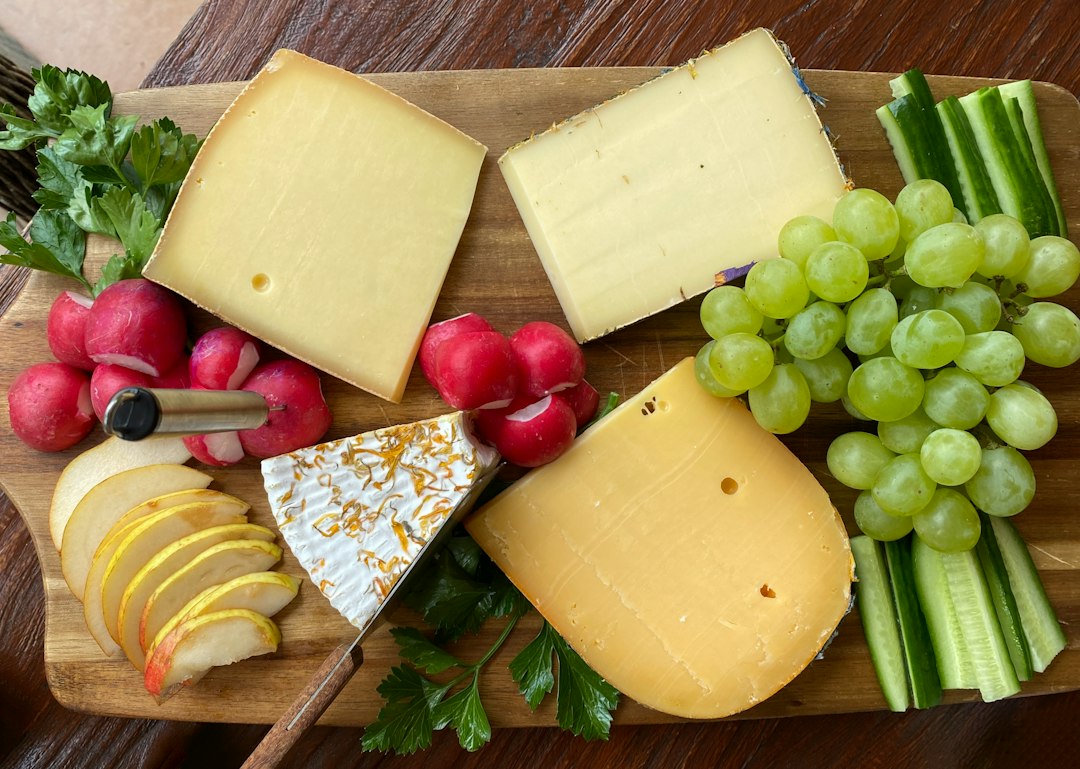
A board that pairs well does not need many cheeses, just the right spread. Four families cover almost any bottle: a soft-ripened cheese such as brie or camembert, a washed rind for something stronger, a hard aged cheese such as manchego or aged cheddar, and a blue for contrast. Plan on 30 to 40 grams of each cheese per person if it follows a meal, more if cheese is the meal itself.
Keep accompaniments simple and let the cheese do the work. Quince paste suits the hard aged cheese, walnuts suit the blue, and plain crackers or a baguette suit everything once you move past the tasting stage. The cheese counter at the David Jones Food Hall on Market Street is a reliable stop if you need all four families in one visit, since the display covers both local and imported options.
Practise before you host
If the rules still feel abstract, a guided tasting fixes that faster than reading about it. The Sydney Wine Centre has run public wine appreciation events since 2009, and its French Cheese and Wine Tasting costs 125 dollars and runs on Wednesday evenings from 7pm to 9pm, giving a direct comparison between French styles and French cheese in one sitting.
For something with no cost, many Sydney bottle shops run regular in-store tastings, and Annandale Cellars offers a free tasting on Saturday afternoons with staff on hand to answer questions. Either option turns the theory in this guide into a memory you can repeat at home, which is more useful than any rule on its own.
Cosa fare per primo, cosa può aspettare
Buy the cheese before you choose the wine. A good cheesemonger, whether at Simon Johnson, Formaggi Ocello or Paesanella, will tell you how firm, young or strong each wheel is, and that detail decides the wine far more reliably than a label does. Pick the wine's weight to match the firmest cheese on the board, since lighter cheeses forgive a heavier wine more easily than the reverse.
Accompaniments, glassware and serving order can wait until the day itself. They improve the experience, but they do not rescue a mismatched pairing, so spend your planning time on the cheese and the bottle first. Once those two are right, everything else is finishing, not fixing.